Fueling Your Life with Fiber-Rich Foods
Introduction
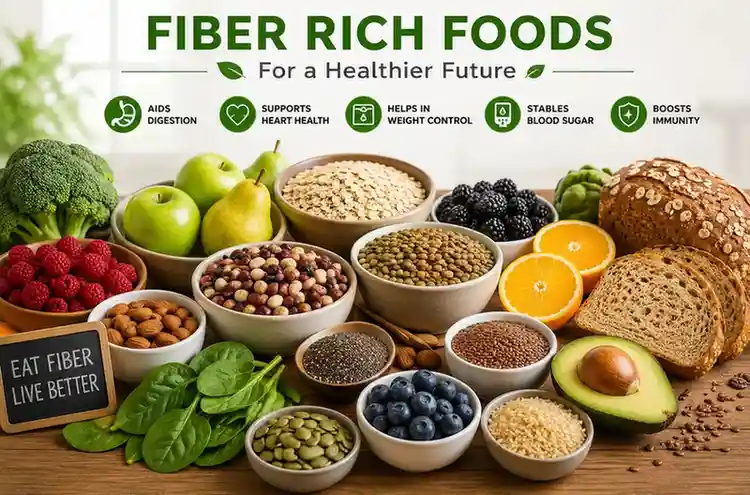
Forget complicated diet rules that leave you hungry and frustrated. The simple act of eating more fiber-rich foods unlocks a level of health most people only chase. Your gut hums along efficiently, your mind feels sharper, and stubborn weight finally begins to budge. This isn’t about restriction; it’s about filling your plate with deeply satisfying ingredients that actively heal your body from the inside out. Our definitive guide draws on nutritional science and practical kitchen wisdom to show you exactly how to make fiber the most enjoyable part of your day.
The Science of Satiety: How Fiber Curbs Cravings
Your body processes a fiber-dense meal slowly, triggering a cascade of hormones that signal fullness directly to your brain. Unlike refined carbohydrates that spike and crash your blood sugar, meals built around fiber-rich foods create a steady release of energy. A study in the Journal of Nutrition found that viscous fibers, like those in beans and oats, form a gel in the gut, physically slowing nutrient absorption and keeping you physically fuller for hours. This biological mechanism eliminates the need for willpower, as genuine hunger stays dormant.
A Complete Spectrum: Soluble vs. Insoluble Fiber Explained
Think of these two types as your internal maintenance crew. Soluble fiber dissolves in water, grabbing onto LDL cholesterol particles and escorting them out of your body. Insoluble fiber does not dissolve, acting like a broom that sweeps through the intestinal tract, keeping waste moving efficiently. Your body needs both types of fiber-rich foods to function optimally. Flaxseeds offer a brilliant combination of both, while celery is almost entirely insoluble roughage.
Metabolic Reset: Regulating Blood Sugar Naturally
Strategic consumption of fiber-rich foods acts as a biological buffer against glucose spikes. When you eat a piece of fruit, the intrinsic fiber dictates how quickly the liver receives the sugar load. Harvard’s School of Public Health emphasizes that whole fruits protect against type 2 diabetes, whereas fruit juice concentrates increase the risk. Fiber puts a crucial pause button on digestion, giving your pancreas time to release insulin in a measured, healthy manner.
The Gut-Brain Axis: Mood Starts in Your Intestines
The connection between your colon and your cognition is a direct biochemical highway. Beneficial bacteria in your gut ferment soluble fiber to produce short-chain fatty acids like butyrate. These compounds cross the blood-brain barrier, reducing neuroinflammation and stimulating the production of serotonin. Feeding your microbiome with a variety of fiber-rich foods directly influences mental clarity and emotional stability.
Top 20 Fiber-Rich Foods Chart
Use this table to easily cross-reference the best sources for your meals.
| Food Category | Specific Food | Grams of Fiber (approx.) |
|---|---|---|
| Legumes | Split Peas (cooked) | 16.3 g per cup |
| Legumes | Lentils (cooked) | 15.6 g per cup |
| Legumes | Black Beans (cooked) | 15.0 g per cup |
| Grains | Spelt | 7.6 g per cup |
| Fruits | Raspberries | 8.0 g per cup |
| Grains | Pearled Barley (cooked) | 6.0 g per cup |
| Seeds | Chia Seeds | 10.6 g per ounce |
| Vegetables | Artichoke (whole) | 6.9 g per medium |
| Vegetables | Green Peas (cooked) | 8.8 g per cup |
| Nuts | Almonds | 3.5 g per ounce |
| Vegetables | Broccoli (cooked) | 5.1 g per cup |
| Fruits | Pears | 5.5 g per medium |
| Pseudo-Grain | Quinoa (cooked) | 5.2 g per cup |
| Root Vegetables | Sweet Potato (with skin) | 4.0 g per medium |
| Fruits | Avocado | 10.0 g per cup (sliced) |
| Vegetables | Brussels Sprouts | 4.1 g per cup |
| Grains | Rolled Oats | 4.0 g per cup (cooked) |
| Seeds | Ground Flaxseed | 3.8 g per 2 tbsp |
| Fruits | Apple (with skin) | 4.4 g per medium |
| Vegetables | Carrots (raw) | 3.6 g per cup |
Strategic Ingredient Swaps for Immediate Impact
You don’t need a complete pantry overhaul to see results. Start by replacing white rice with pearled barley in your soups. Spoon almond butter on whole-grain toast instead of spreading jam. Blend a handful of frozen cauliflower into your morning smoothie; it adds a creamy texture without altering the fruity taste. By viewing every meal as an opportunity to insert a fiber-rich food, you transform standard recipes into longevity-boosting meals without sacrificing flavor.
Morning Momentum: A High-Fiber Breakfast Blueprint
Breaking your overnight fast with protein and fat alone misses a massive metabolic opportunity. A bowl of steel-cut oats topped with a cup of raspberries supplies roughly 12 grams of fiber. Add a tablespoon of chia seeds, and you reach 17 grams before leaving the house. This morning dose of fiber-rich foods primes your digestive tract and prevents the mid-morning crash that sends you searching for caffeine or sugar.
Legume Mastery: Beans, Lentils, and Peas
No other food group matches the fiber density of legumes. A single cup of cooked lentils provides over half your daily requirement, alongside a substantial dose of plant-based iron. The Stanford Medicine Children’s Health network notes that legumes are a unique food that counts as both a protein and a vegetable. To avoid bloating, introduce them gradually into your weekly rotation, ensuring you drink plenty of water to help the fiber move through your system.
Fruit Selection: When to Peel and When to Chew
The fiber lives in the structure of the plant. An apple without the peel loses most of its roughage and a significant portion of its protective polyphenols. An orange, however, contains soluble fiber in the white pith surrounding the segments, making whole fruit far superior to juice. Think of the act of chewing as the first stage of digestion; fiber-rich foods that require mastication send stronger satiety signals to the brain than slurped or blended versions.
Vegetable Preparation: Raw vs. Lightly Cooked
Cooking is not the enemy of fiber; it simply alters its function. A raw carrot provides rigid, insoluble strands that scrape the gut lining clean. Lightly steaming that carrot softens the cell walls, making certain antioxidants like beta-carotene more bioavailable while keeping the fiber intact. A side of steamed broccoli with dinner and a crisp raw salad at lunch ensures you capture the complete therapeutic spectrum of these fiber-rich foods.
Whole Grains Authenticated: Reading Labels Correctly
A packaging claim of “made with whole grains” means nothing if the ingredient list begins with enriched wheat flour. True whole grains must be listed first. Look for the 100% stamp from the Whole Grains Council, or better yet, shop for grains in their intact form. Wheat berries, hulled barley, and oat groats are direct vehicles for fiber-rich foods, having never had their bran or germ mechanically removed.
The Fermentation Connection: Prebiotics in Action
Fiber does not simply pass through you; it feeds the colony. Inulin, found in chicory root, garlic, and Jerusalem artichokes, serves as a potent prebiotic. When gut flora ferment these fibers, they produce compounds that strengthen the intestinal barrier. By consistently rotating garlic, onion, and asparagus in your cooking, you directly fuel the good bacteria that keep your digestive walls tight and inflammation low.
Hydration Dynamics: Why Water Unlocks the Benefit
Drinking insufficient water with a high-fiber diet is like mixing concrete in your colon. Fiber acts as a sponge; without adequate fluid, it forms a dry, hard mass that impedes transit. For gut motility to improve, you must increase your water intake proportionally. A practical rhythm involves drinking a tall glass of water whenever you sit down to eat a meal rich in legumes or whole grains.
Navigating Fiber Supplements: A Cautionary View
Isolated functional fiber in powders and bars lacks the complex matrix of vitamins and phytonutrients found in whole foods. While psyllium husk can help bridge a dietary gap, it should not displace vegetables. The Mayo Clinic warns that relying on supplements bypasses the synergistic effects of food synergy. Rely on the supplement bottle as a backup, not the main event, ensuring your primary source of fiber-rich foods remains the produce aisle.
Pediatric Health: Hiding Fiber on the Kids’ Plate
Getting sufficient roughage into a selective eater requires culinary camouflage. Purée cooked red lentils and mix them into a ground beef taco filling. Switch to pasta made from chickpeas or whole wheat. Smoothies are a golden ticket; a drinkable meal of frozen berries, spinach, and a splash of milk hides seeds and greens behind a vibrant, sweet color that children happily accept.
Managing the Transition: Minimizing Gas and Bloat
The uncomfortable truth about shifting to a plant-forward diet is the temporary gas caused by fermentation. You can sidestep this by rinsing canned beans thoroughly to wash away the gas-causing oligosaccharides. Introducing fiber-rich foods over a two-week window allows your gut microbiome to shift its population to match the new food supply. Digestive discomfort is not a sign of intolerance; it often signals a microbiome adapting to a healthier environment.
Long-Term Cardiovascular Shield
High blood pressure and arterial stiffness respond beautifully to dietary intervention. The sticky gel formed by soluble oat fiber binds to bile acids in the intestine. Since bile is made from cholesterol, your liver must pull bad LDL cholesterol from the bloodstream to manufacture more bile. This biological process directly reduces serum cholesterol, proving that a bowl of oatmeal truly is a heart-specific prescription of fiber-rich foods.
Frequently Asked Questions
What are the signs I’m not eating enough fiber-rich foods?
The clearest red flag is chronic constipation with straining or a sensation of incomplete emptying. You might also experience blood sugar crashes two hours after a meal, leading to sudden fatigue or shakiness. A low-fiber diet often leaves you hungry again quickly after eating, because the meal lacked the necessary bulk to trigger lasting satiety.
How quickly can fiber-rich foods lower my cholesterol?
A visible drop in LDL numbers often appears within four to eight weeks of consistent dietary change. The process depends on fiber binding to bile acids daily, so sporadic intake won’t move the needle. One study in the American Journal of Clinical Nutrition showed that a daily intake of 10 grams of psyllium fiber reduced total cholesterol by 4% over eight weeks, highlighting the need for consistency.
Can I eat too many fiber-rich foods in one sitting?
Yes, overloading a sensitive digestive system with a sudden feast of bran, beans, and raw kale can physically distend the stomach and cause significant discomfort. The gut has a physical volume limit, and exceeding it can lead to temporary blockages if hydration is poor. Spread your intake across all meals and snacks to avoid overwhelming your intestinal tract.
Do frozen fruits and vegetables lose their fiber content?
No, freezing is a preservation method that halts nutrient degradation almost perfectly at the point of harvest. The insoluble cellulose and structural fibers in the produce remain completely intact through freezing and subsequent cooking. A cup of flash-frozen broccoli supplies the same bowel-regulating roughage as a cup of fresh florets, often at a fraction of the cost.
Why do fiber-rich foods cause gas, and how can I prevent it?
Healthy bacteria in the large intestine ferment the undigested fibers, releasing hydrogen, methane, and carbon dioxide as natural byproducts. You can mitigate the embarrassment by soaking dry beans overnight, discarding the water, and cooking them in fresh water to reduce the specific sugars responsible. The body usually adapts within three to four weeks as the microbial ecosystem shifts.
Is popcorn a genuinely healthy fiber-rich snack?
Air-popped popcorn is a potent whole grain that delivers roughly 4 grams of fiber per 3-cup serving, with very few calories. The problem lies in the toppings; drenching popcorn in butter and salt negates its health profile. Stick to air-popped kernels seasoned with a dusting of nutritional yeast or spices for a clean, crunchy vehicle for fiber-rich foods.
Conclusion
The path to a vibrant, energetic life sits right in the produce aisle and the bulk-bin section. You hold the power to reshape your digestive health, fortify your heart, and sharpen your mental focus simply by choosing the food that grows from the ground. Open your pantry right now. Grab a bag of lentils, a can of black beans, or a frozen bag of berries, and start building your very next meal around them. Your body knows exactly what to do with these gifts—give it the fuel it recognizes, and watch how quickly you feel alive.