Polish Foods: A Culinary Journey Through Tradition and Flavor
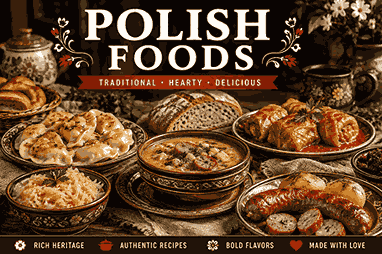
Introduction
Craving comfort food that satisfies the soul? Polish foods deliver exactly that. Forget the bland reputation of Eastern European cuisine; Polish cooking is a vibrant tapestry of hearty meats, tangy ferments, and pillowy dumplings. This guide breaks down the essential dishes you must try, the history behind them, and why this cuisine is taking the culinary world by storm.
The Historical Roots of Polish Foods
Polish cuisine is a product of survival and geography. Centuries of harsh winters required food that could sustain energy and be stored for long periods. This is why smoking, pickling, and fermenting are core techniques.
The nobility and the peasantry developed distinct styles. The wealthy indulged in exotic spices and game meats, while the peasants mastered root vegetables, grains, and foraging. Over time, these styles merged into what we now recognize as classic Polish foods. The result is a cuisine that is rustic, resourceful, and deeply satisfying.
Pierogi: The Undisputed King of Polish Cuisine
You cannot discuss Polish foods without starting with Pierogi. These half-moon dumplings are the national treasure of Poland. The dough is simple—flour, water, and sometimes egg—but the fillings are endless.
The most traditional filling is “Ruskie,” which consists of potato, farmer’s cheese (twaróg), and fried onion. However, you will find versions stuffed with sauerkraut and mushrooms (a Christmas Eve staple) or ground meat. For a sweet twist, summer brings Pierogi filled with blueberries or strawberries, often served with a dollop of sour cream and sugar.
Key Points:
- Boiled or Fried: They are traditionally boiled, but many locals pan-fry the leftovers in butter the next day for a crispy exterior.
- Cultural Significance: Pierogi have their own patron saint, “Święty Jacek,” in Polish folklore.
Bigos: The Hunter’s Stew
Bigos, often called Hunter’s Stew, is the ultimate representation of Polish patience. This dish improves with age. It combines sauerkraut, fresh cabbage, various cuts of meat (pork, beef, and kielbasa), dried mushrooms, and prunes.
The magic of Bigos lies in its slow cooking process. It is simmered for hours, sometimes over several days, allowing the flavors to deepen and meld. The combination of the sour sauerkraut with the sweetness of the prunes creates a complex flavor profile that is uniquely Polish. It is a staple during the winter months and after hunting trips.
Kielbasa: More Than Just a Sausage
In North America, “Kielbasa” often refers to a single type of U-shaped smoked sausage. In Poland, however, the word simply means “sausage.” Polish foods feature dozens of varieties, each with distinct spices and preparation methods.
The most famous is the Kielbasa Wiejska (Country Sausage), which is heavily smoked and garlicky. Kielbasa Krakowska is a thick, straight sausage seasoned with pepper and marjoram. Perhaps the most unique is Kielbasa Biała (White Sausage), which is fresh and uncooked, typically boiled and served with Żurek soup during Easter.
Gołąbki: Cabbage Leaves Stuffed with Love
Gołąbki (pronounced gowompki) literally translates to “little pigeons.” These are boiled cabbage leaves wrapped around a filling of minced pork or beef, rice, and onions. Once rolled, they are baked in a rich tomato or mushroom sauce.
This dish is comfort food at its finest. The cabbage becomes tender and sweet during the baking process. Gołąbki are a Sunday dinner favorite across Poland. They demonstrate the Polish knack for turning simple, affordable ingredients into a hearty meal.
Żurek: The Sour Rye Soup
If you want to taste the authentic “terroir” of Poland, you must try Żurek. This soup is made by fermenting rye flour in water for several days, creating a sour, tangy base. This “zakwas” (starter) is then cooked with kielbasa, bacon, and vegetables.
The result is a creamy, smoky, and sour soup that wakes up your taste buds. Żurek is traditionally served in an edible bread bowl with half a hard-boiled egg and white sausage. It is a testament to the Polish mastery of fermentation.
Barszcz: The Vibrant Beetroot Soup
Barszcz (or Borscht) is visually stunning. Its deep ruby red color comes from beets. Unlike its Russian cousin, Polish Barszcz is usually served as a clear broth rather than a chunky stew. It is light, slightly tangy, and deeply earthy.
The classic version is Barszcz Czerwony (Red Borscht), served with “uszka” (tiny ear-shaped dumplings filled with mushrooms) during Christmas Eve dinner. Another popular variant is Barszcz Biały (White Borscht), which is similar to Żurek but uses wheat flour instead of rye.
Placki Ziemniaczane: Crispy Potato Pancakes
Potatoes are a staple in Polish foods, and Placki Ziemniaczane are a beloved way to use them. Grated potatoes are mixed with onion, egg, and flour, then fried until the edges are golden brown and crispy.
In Poland, these pancakes are often served savory. The most common topping is a generous spoonful of sour cream. However, some regions serve them with goulash or a creamy mushroom sauce. They are a quick, filling meal that satisfies any comfort food craving.
Kotlet Schabowy: The Polish Schnitzel
Kotlet Schabowy is the star of the traditional Polish “obiad” (dinner). It is a pork loin cutlet pounded thin, breaded, and fried until golden. It is essentially a Polish version of the Wiener Schnitzel.
This dish is typically served with boiled or mashed potatoes and a side of “mizeria” (a salad of thinly sliced cucumbers in sour cream and dill) or sautéed cabbage. It is a simple, honest meal that represents the core of Polish home cooking.
Essential Polish Street Foods and Snacks
Moving away from the dinner table, Polish foods also dominate the street food scene. If you are walking through a market or a busy city street in Poland, you will likely encounter these items:
- Zapiekanka: An open-faced baguette topped with sautéed mushrooms, cheese, and ketchup. It is the quintessential Polish fast food.
- Obwarzanek Krakowski: A braided ring of dough, boiled and baked, topped with poppy seeds or salt. It is protected by the EU as a regional specialty of Krakow.
- Oscypek: A smoked sheep’s milk cheese from the Tatra Mountains, often grilled and served with cranberry sauce.
Polish Desserts: Beyond the Paczki
While Paczki (jam-filled doughnuts) are famous globally, Polish desserts offer much more variety. These treats are often dense, creamy, and feature seasonal fruits.
- Sernik: Polish cheesecake made with twaróg (curd cheese), which makes it lighter and slightly tangier than American cheesecake.
- Makowiec: A poppy seed roll made with sweet yeast dough and a rich, nutty poppy seed paste.
- Szarlotka: A Polish apple cake with a thick layer of spiced apples and a crumbly topping, served warm with ice cream or whipped cream.
Regional Variations in Polish Food
While the dishes above are found nationwide, Polish foods vary significantly by region. Geography and history have shaped these local specialties.
- Podhale (Mountains): Known for Oscypek cheese and grilled lamb. The mountain culture heavily influences the food here.
- Silesia (South-West): Home to “Kluski Śląskie” (Silesian dumplings), which are dense potato dumplings with a signature dimple in the center.
- Pomerania (North Coast): Features more fish, such as herring and cod, reflecting the Baltic Sea’s influence.
Understanding these regional differences adds depth to your appreciation of Polish cuisine. It shows that it is not a monolith but a collection of local traditions.
Polish Food Etiquette: How to Eat Like a Local
Eating Polish foods is a social event. If you are invited to a Polish home, bring your appetite. It is considered polite to try a little bit of everything.
Meals often start with a soup, followed by the main course, and finish with a dessert and “kompot” (a sweet fruit drink). Do not be surprised if your host insists you take second helpings—refusing food can sometimes be seen as a sign you did not enjoy the meal. A phrase to remember is “Smacznego!” (pronounced smach-NEH-go), which means “Enjoy your meal!”
Where to Find the Best Polish Foods
The best way to experience authentic Polish foods is to visit Poland and eat at “Bar Mleczny” (Milk Bars). These are subsidized cafeterias that serve traditional home-style cooking at very low prices. They offer a glimpse into the daily life of locals and provide exactly the type of food a Polish grandmother would make.
If you cannot travel, look for Polish delis in your area. They often sell authentic kielbasa, pickles, and frozen Pierogi. Making these dishes from scratch at home is also a rewarding experience that connects you to centuries of culinary tradition.
Frequently Asked Questions About Polish Foods
1. What is the most famous food in Poland?
The most famous Polish food is undoubtedly Pierogi. These filled dumplings are a national symbol and are served in every Polish home and restaurant, representing the heart and soul of the country’s cuisine.
2. Is Polish food generally spicy?
No, Polish food is not spicy in the sense of chili heat. Instead, it relies on pungent and savory flavors. The “spice” in Polish cuisine comes from ingredients like horseradish, mustard, garlic, marjoram, and the sour tang of fermented cabbage and rye.
3. What is a typical Polish breakfast?
A typical Polish breakfast is not a heavy meal. It often consists of open-faced sandwiches made with dark rye bread, butter, cold cuts (like kielbasa or ham), cheese, and sliced vegetables like tomato or cucumber. It is often served with tea or coffee.
4. What is a traditional Polish Christmas Eve dinner (Wigilia)?
The Wigilia dinner is a meatless feast. It traditionally includes twelve dishes, symbolizing the twelve apostles. The menu features foods like Barszcz with Uszka (mushroom dumplings), Pierogi with sauerkraut and mushrooms, fried carp, and a sweet poppy seed dessert called Kutia.
5. Are there vegetarian options in Polish cuisine?
While traditionally meat-heavy, Polish foods offer many vegetarian options. Pierogi with potato and cheese (Ruskie) or cabbage and mushroom are vegetarian. Salads like Mizeria (cucumber salad) and dishes like Placki Ziemniaczane (potato pancakes) are naturally meat-free.
6. What drink pairs well with Polish food?
While beer and vodka are common, the traditional non-alcoholic pairing is Kompot. This is a drink made by boiling fruit (like plums, apples, or cherries) with sugar and spices. It is sweet, refreshing, and a staple of Polish family dinners. For alcohol, a shot of ice-cold Polish vodka is traditionally served with rich, savory dishes.
Conclusion
Polish foods offer a rich, hearty, and deeply satisfying culinary journey. The cuisine tells a story of resilience, tradition, and a profound respect for simple, high-quality ingredients. From the iconic Pierogi to the tangy depth of Żurek, every dish provides a connection to Polish history and culture.
Stop waiting and start tasting. Find a local Polish bakery, order some fresh kielbasa, or try your hand at making homemade Pierogi this weekend. Your taste buds will thank you for the adventure.