Why Is the Popularity of Indian Food Growing So Fast Worldwide?
Introduction
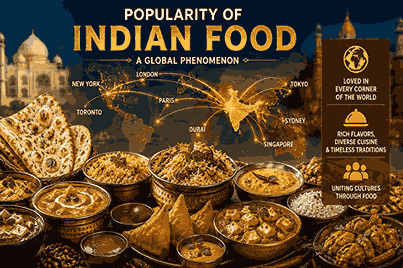
You have likely noticed a new Indian restaurant opening in your neighborhood recently. While this seems like a local trend, it actually reflects a massive global shift in dining habits. The problem is that many people assume this growth is just a fad. However, the popularity of Indian food rests on centuries of scientific flavor pairing and economic migration. This guide explains exactly why these dishes now dominate menus from London to Tokyo.
The Science of Spice: Why Your Brain Loves It
The popularity of Indian food is not accidental. Western cuisines often separate sweet, salty, and sour flavors. Indian cooking combines them all in a single bite.
Research from food scientists demonstrates that Indian recipes utilize a high number of “negative food pairing” compounds. This means the spices overlap less in flavor profiles than Western dishes. When you eat a dish with turmeric, cumin, and cardamom, your taste buds stay excited because no single flavor dominates. This constant sensory stimulation creates a “flavor bomb” effect that keeps people coming back for more.
A History Etched in Spice Routes
To understand the global demand, you must look at the history of the spice trade. Centuries before the internet, traders sailed to the Malabar Coast for black pepper. This early trade introduced Indian spices to the Middle East and Europe.
However, the modern spread of Indian cuisine is closely tied to the British Empire and labor migration. Indians moved to Africa, the Caribbean, and the UK, taking their recipes with them. Today, dishes like Chicken Tikka Masala are considered national dishes in the UK, proving the deep integration of Indian food into foreign cultures. You can view historical data on the spice trade through sources like the Encyclopedia Britannica.
The Ayurvedic Connection: Flavor as Medicine
Modern diners prioritize health more than ever. The popularity of Indian food benefits significantly from this shift. Traditional cooking follows Ayurvedic principles.
Ingredients like ginger, garlic, and turmeric possess anti-inflammatory properties. Unlike processed fast food, Indian meals often include fermented components (like yogurt or dosa batter) that aid digestion. When consumers search for “functional foods” that taste good, Indian dishes appear at the top of the list. The medical community atJohns Hopkins Medicine notes the health benefits of turmeric, a staple in Indian kitchens.
Migration and the Diaspora Effect
You cannot discuss the popularity of Indian food without acknowledging migration. The Indian diaspora is the largest in the world, with over 18 million people living abroad.
When people migrate, they open restaurants. Initially, these restaurants served the local Indian community. Over time, locals became curious. In cities like Dubai, Singapore, and Toronto, Indian restaurants transitioned from niche spots to mainstream dining destinations. This physical presence creates a snowball effect; the more restaurants exist, the higher the visibility, and the greater the demand.
The Evolution of “Curry” Abroad
Authenticity is a debated topic. In the West, the term “curry” often refers to a saucy dish. In India, spice blends vary by household.
The global popularity of Indian food grew because chefs adapted recipes to local tastes without losing the core identity. For example, the “Vindaloo” in the UK is fiery hot, whereas in Goa, it is a complex vinegar and pork dish. This adaptability proves the resilience of Indian cooking. It acts as a template that absorbs local ingredients—like potatoes in Ireland or tomatoes in Italy—while remaining distinctly Indian.
Economic Factors: The Affordability of Flavor
High-end restaurants are expensive to run. Indian food offers a viable business model for restaurateurs. A single base gravy can create dozens of different dishes.
Economically, Indian cuisine provides high margins on vegetarian dishes. Ingredients like lentils (dal) and chickpeas (chana) are inexpensive. Chefs can sell these for a significant profit while keeping menu prices lower than steak or seafood houses. This affordability attracts a wider demographic, from students to families, cementing the popularity of Indian food as a budget-friendly yet exciting option.
The Vegetarian Revolution
Global meat consumption is declining in developed nations due to environmental and health concerns. This is a massive win for Indian cuisine. India has the largest vegetarian population in the world.
Indian menus offer an unprecedented variety of vegetarian options that do not feel like an afterthought. Dishes like Palak Paneer, Chana Masala, and Dal Makhani are rich, creamy, and satisfying. As more people adopt “Meatless Mondays” or full vegetarianism, Indian restaurants provide a safe haven where they can choose from dozens of options rather than one sad salad.
The Role of Social Media and Visual Appeal
If it doesn’t look good, people won’t eat it. The popularity of Indian food has exploded on platforms like Instagram and TikTok.
Indian dishes are inherently photogenic. The vibrant yellow of turmeric, the deep red of tandoori chicken, and the steam rising from a fresh naan create high engagement. Food bloggers and influencers capitalize on this visual appeal. Videos of cheese pulls from “Naan Bombs” or the sizzle of a “Thali” platter generate millions of views, introducing younger generations to the cuisine.
From Street Food to Michelin Stars
For decades, Indian food suffered from a perception of being “cheap” or “unhealthy” in the West. This changed recently.
Restaurants like Gaggan in Bangkok and Indian Accent in New Delhi have earned global acclaim. These chefs deconstruct traditional dishes into fine dining presentations. By earning Michelin stars, they elevated the status of Indian food globally. Diners now perceive Indian cuisine as worthy of a special occasion, not just a takeaway night. This prestige has pushed the popularity of Indian food into the luxury market.
Regional Diversity: Beyond Butter Chicken
Many global consumers only know North Indian dishes like Butter Chicken or Naan. However, the growing demand has led to a rise in regional restaurants.
Diners are now exploring South Indian dosas, Bengali fish curries, and Goan seafood. This discovery of regional variety keeps the trend fresh. It prevents “flavor fatigue” and allows consumers to explore a country’s cuisine the way they would explore a wine list. The depth of the menu ensures that the popularity of Indian food has staying power, not just a fleeting moment.
Debunking Misconceptions About Indian Food
Many people assume Indian food is always heavy and spicy. This is a myth that often scares off newcomers.
While some dishes are rich, many are light and steamed. South Indian cuisine relies heavily on fermented rice and lentils. “Spicy” does not always mean “hot”; it means “spiced.” Chefs use cumin and coriander for aroma, not just heat. By educating consumers, restaurants are breaking down barriers and increasing the accessibility of the cuisine.
The Future: Fusion and Technology
What is next for Indian food? The future lies in fusion and delivery technology.
Chefs are mixing Indian flavors with other cuisines, creating items like “Tandoori Chicken Pizza” or “Masala Tacos.” Furthermore, the rise of cloud kitchens has made it cheaper to launch Indian food brands. Delivery apps like DoorDash and Uber Eats report Indian food among their top-ordered categories. This convenience ensures that the popularity of Indian food will continue to rise in the digital age.
Frequently Asked Questions (FAQs)
Here are direct answers to the most common questions regarding the global rise of Indian cuisine.
Q1: What factors contribute to the increasing popularity of Indian food globally?
The main factors are migration, flavor science, and health trends. Indian communities opened restaurants worldwide, introducing the complex spice blends to new audiences. The unique mix of flavors triggers high sensory satisfaction, while the plant-based options appeal to health-conscious consumers.
Q2: How does the popularity of Indian food impact the global restaurant industry?
It has increased competition and menu diversity. Non-Indian restaurants now often feature “Indian-inspired” items to capitalize on the trend. It has also driven demand for specific spices, boosting the global spice import/export industry significantly.
Q3: Why is Indian food considered more popular in the UK than in some other countries?
Historical ties play the biggest role. The UK has a long history of Indian immigration and colonization. This led to the creation of dishes like Chicken Tikka Masala, which integrated Indian flavors into British culture decades ago, making it a staple comfort food.
Q4: Is Indian food actually healthy, or is that a myth?
It depends on the dish. Traditional home-cooked Indian food is highly nutritious, using lentils, vegetables, and anti-inflammatory spices. However, restaurant dishes can be heavy due to the liberal use of cream, butter, and oil to enrich the taste. You should choose tandoori or dal dishes for lighter options.
Q5: What is the difference between North Indian and South Indian food regarding popularity?
North Indian food (creamy curries, breads) became popular first globally. South Indian food (rice-based, like dosas and idlis) is now catching up. South Indian options are often gluten-free and lighter, appealing to modern dietary trends.
Q6: How does social media influence the popularity of Indian food trends?
Visual appeal is crucial. The bright colors of Indian spices and the dramatic presentation of dishes like sizzling kebabs perform well on video platforms. Social media allows foodies to share discoveries instantly, creating viral trends around specific regional dishes that were previously unknown globally.
Conclusion
The popularity of Indian food is a result of perfect timing, science, and cultural pride. It offers the variety that modern diners demand, the health benefits they seek, and the affordability they need. You do not need to be an expert to start enjoying it.
Stop sticking to the usual menu items. Visit a local Indian restaurant and ask the chef for a regional specialty. Try a Dosa, a Vindaloo, or a Hyderabadi Biryani. The depth of this cuisine offers a lifetime of exploration. Your next favorite meal is waiting; go and taste it for yourself.