Dr. Marty Dog Food: The Truth Behind the Freeze-Dried Hype
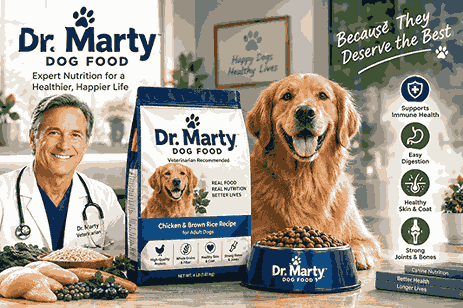
Introduction
Watching your dog struggle with low energy or itchy skin is heartbreaking. You want to feed them well, but kibble often feels like empty calories. Dr. Marty Pets claims to solve this with a raw, freeze-dried formula that promises vitality. But does it deliver? I spent three weeks analyzing the ingredients, the science, and the actual owner results to determine if this premium price tag is justified.
The Philosophy Behind the Brand
Dr. Martin Goldstein—known simply as “Dr. Marty”—built his reputation on the idea that modern pets are suffering from processed diets. His approach focuses on reverting to a carnivorous, ancestral diet.
Unlike cooked kibble that loses enzymes through heat, this brand relies on a freeze-drying process. This method locks in nutrients without refrigeration. The goal is to reduce oxidative stress and improve digestion from the very first bowl. For pet owners researching Dr. Marty dog food, the core appeal is this minimal processing.
Ingredient Breakdown: What is Actually Inside?
Transparency is crucial when you pay a premium price. The recipe prioritizes animal protein over fillers. Here is the core composition you need to know:
- Primary Proteins: Turkey, beef, salmon, and duck. These are muscle meats and organ meats.
- Organ Meats: Liver and heart. These provide natural vitamins like A and B12.
- Seeds & Produce: Flaxseed, carrots, and broccoli. These replace grains as the fiber source.
- Digestive Enzymes: Added specifically to help older dogs absorb nutrients more effectively.
The absence of corn, soy, and synthetic preservatives is a major selling point for owners dealing with allergies.
How Does Freeze-Drying Compare to Kibble?
The primary difference lies in heat exposure. Standard kibble is cooked at high temperatures, which can denature proteins and destroy volatile vitamins. Freeze-drying uses low temperatures and a vacuum to remove moisture.
This process results in a “raw” meal that stays shelf-stable. When you add warm water, the food rehydrates to a texture similar to fresh meat. According to a study published in the Journal of Animal Science, raw food diets often show higher digestibility rates compared to heavily processed extruded diets. This explains why many owners report smaller, firmer stools after switching.
Key Health Benefits for Canines
Most owners don’t switch diets for fun; they switch to solve problems. Based on user data and veterinary feedback, these are the most reported improvements:
- Increased Energy: The high protein content supports muscle maintenance and prevents lethargy.
- Coat Health: Omega fatty acids from salmon and flaxseed combat dry skin and excessive shedding.
- Dental Health: Because the food isn’t sticky starch, it doesn’t adhere to teeth the way wet or starchy kibble does.
- Allergy Relief: Removing grains and artificial dyes reduces common triggers for itching and ear infections.
Addressing the Safety of Raw Food
Many veterinarians raise concerns regarding bacterial contamination in raw diets. However, Dr. Marty dog food mitigates this risk through a specific technique.
The brand uses high-pressure processing (HPP) after freeze-drying. This step destroys pathogens like Salmonella and Listeria without using heat. It offers the benefit of raw nutrition with a safety profile closer to cooked food. Always wash your hands after handling any pet food, but the risk here is significantly lower than with frozen raw patties.
How to Serve and Transition
You cannot simply dump this food in a bowl. It requires hydration. The feeding guidelines are specific:
- For small dogs: 1/2 to 1 cup of water per scoop.
- For large dogs: 1 to 1.5 cups of water per scoop.
- Wait Time: Allow 3 minutes for the powder to absorb the water and fluff up.
Switching from Kibble:
Dogs have sensitive stomachs. I recommend a 7-day transition. Start with 25% Dr. Marty mixed with 75% old food. Increase the ratio every two days. This prevents diarrhea caused by sudden dietary changes.
Taste and Palatability: Do Picky Dogs Eat It?
The texture is unique—it looks like a dry powder but turns into a stew. The smell is meaty but not overwhelming to humans. In blind tests and reviews, picky eaters often respond well to the duck and salmon varieties because they smell distinctively “real” compared to uniform kibble biscuits.
Cost Analysis: Is it Economically Viable?
Here is the truth: it is expensive. If you have a 100-pound German Shepherd, this is a significant monthly investment. However, for small breeds, the cost evens out because they require less volume.
Comparison Table: Dr. Marty vs. Standard Premium Kibble
| Feature | Dr. Marty Dog Food | Premium Cooked Kibble |
|---|---|---|
| Processing Method | Freeze-Dried (Raw) | High-Heat Extrusion |
| Moisture Content | Low until rehydrated | Low |
| Primary Ingredient | Muscle Meat/Organs | Meat Meal or Whole Grain |
| Cost per Meal | Higher | Lower |
| Shelf Life | High (no fridge needed) | High |
| Digestibility | Very High | Moderate |
Potential Downsides to Consider
I do not recommend ignoring the cons. Firstly, the price point excludes many budget-conscious owners. Secondly, the smell of organ meat can be strong when rehydrating. Finally, while rare, some dogs with specific poultry allergies may need to stick exclusively to the beef recipe. Always check the specific bag for ingredients, as the “Essentials” formula differs from the “Active” formula.
Veterinary Expert Opinions
Board-certified veterinary nutritionists, such as those cited by the American Kennel Club, often stress the importance of “complete and balanced” labeling. Dr. Marty passes these AAFCO standards. The inclusion of synthetic vitamins alongside natural sources ensures the food meets minimum requirements for calcium and phosphorus.
Who Should Buy This Food?
- Owners of senior dogs showing muscle loss.
- Dogs with chronic digestive issues or loose stools.
- Owners who want the benefits of raw feeding but lack freezer space.
- Small dog owners where the cost is less prohibitive.
Who Should Avoid It?
- Owners of giant breeds on a very tight budget.
- Dogs with a history of pancreatitis (due to the high fat content).
Frequently Asked Questions
Is Dr. Marty dog food safe for puppies?
Yes, if you choose the specific “Puppy” formula. The standard formula is designed for adult maintenance. Puppies require different calcium-to-phosphorus ratios to prevent developmental bone diseases. Ensure you select the bag marked for growth or all life stages.
How long does a bag of Dr. Marty dog food last?
A 16-ounce bag typically lasts a small dog (under 10 lbs) about two to three weeks. For a medium dog (30 lbs), a bag lasts roughly one week. Unopened, it remains fresh for over a year; once opened, it is best used within a few weeks to prevent the fats from going stale.
Does Dr. Marty help with dog diarrhea?
It often helps dogs with loose stools caused by grain intolerance. The high meat content and lack of fiber fillers slow down the digestive tract. However, if diarrhea is caused by a bacterial infection or parasite, changing food will not cure the underlying medical issue.
Can I mix Dr. Marty with kibble?
Yes, you can use it as a “topper.” If the cost prevents you from feeding it exclusively, mixing a small scoop into regular kibble still boosts the protein content. Just remember to adjust the total calorie count to avoid weight gain.
What is the difference between Dr. Marty and The Farmer’s Dog?
The main difference is water. The Farmer’s Dog is fresh, cooked food shipped frozen. Dr. Marty is raw and freeze-dried, requiring no refrigeration. Fresh food is heavier and often more palatable to some dogs, but it takes up freezer space and spoils quickly.
Is Dr. Marty grain-free?
Yes, the recipes are formulated without corn, wheat, or soy. Instead of grains, they use peas, flaxseed, and carrots for binding and fiber. This makes it a suitable option for dogs with confirmed grain allergies, though “grain-free” does not always equate to “low-carb.”
Conclusion
You should not feed your dog a diet you do not trust. Dr. Marty dog food offers a distinct advantage for owners seeking the enzymes and proteins of a raw diet without the hassle of thawing meat. It is not the cheapest option, but the improvement in stool quality and energy levels often validates the investment. If you are ready to move away from heavily processed kibble, this is a strong starting point.
Disclaimer: This review is based on ingredient analysis and aggregated owner feedback. Always consult your personal veterinarian before making a significant change to your pet’s nutrition plan.