Hawaiian Food Near Me: How to Find Real Island Flavor Fast
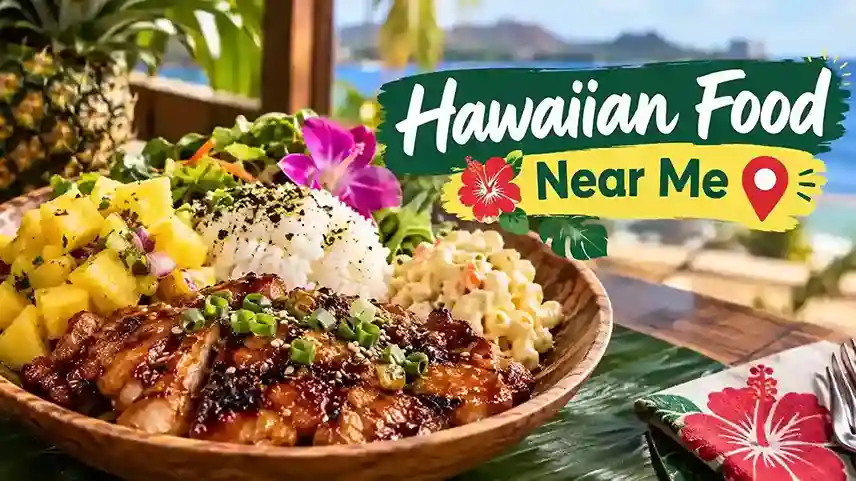
You want Hawaiian food near me, and you want it to taste like the islands, not like a mainland shortcut. Too many “Hawaiian” menus lean on pineapple garnish and call it a day. That’s frustrating when you’re craving the real thing: smoky kalua pork, a properly dressed poke bowl, rice done right. This guide shows you exactly what authentic tastes like and how to find it near you today.
What Makes Hawaiian Food Different From Other Island Cuisines
Hawaiian food isn’t one cuisine. It’s a layered result of Native Hawaiian tradition mixed with the cooking styles that plantation workers from Japan, China, the Philippines, Portugal, and Korea brought with them starting in the 1850s. That blend is why a single plate can carry Japanese shoyu, Portuguese sausage, and a Native Hawaiian starch side by side.
- Native Hawaiian roots: taro (kalo), breadfruit (ulu), sweet potato (uala), and fresh reef fish.
- Plantation-era additions: soy sauce, rice, noodles, and cured meats.
- Modern fusion: poke bowls, loco moco, and plate lunch counters found nationwide today.
When you search for hawaiian food near me, you’re really searching for a kitchen that respects this layered history instead of flattening it into a tourist stereotype.
The Cultural Roots Behind Hawaiian Food Near Me
Long before restaurants existed, Native Hawaiians grew taro in irrigated terraces and pounded it into poi, a staple food that carried spiritual weight at the family table. Historians believe poi sustained the earliest Polynesian voyagers who crossed thousands of miles of open ocean to reach the islands, and the dish still anchors traditional meals today.Fish preparation followed the same respect for ingredients. Reef fish was cut into cubes, salted, and mixed with seaweed, a method that eventually became poke. Sugar plantation workers later added their own touches to daily meals, packing rice, protein, and pickled sides into shared lunch boxes that became the plate lunch we recognize now.Knowing this history matters when you’re evaluating hawaiian food near me, because a kitchen that understands these roots usually gets the details right, from how poi is served to how a plate lunch is portioned.
Classic Dishes You Should Expect to Find
A genuine Hawaiian menu should include most of these staples. If a spot near you skips all of them, it may be leaning on the name without the substance.
- Poke — cubed raw fish, usually ahi tuna, dressed in shoyu, sesame oil, and sea salt.
- Kalua pork — pork slow-roasted underground in an imu, giving it a deep smoky flavor.
- Plate lunch — two scoops of rice, macaroni salad, and a protein like teriyaki chicken or kalbi ribs.
- Loco moco is rice with brown gravy, a fried egg, and a hamburger patty on top.
- Fish or pork wrapped in taro leaves and steam-cooked till soft is called laulau.
- Poi — pounded taro root, mild and slightly sweet.
- Spam musubi — grilled Spam and rice wrapped in seaweed, a portable island snack.
- Haupia — a firm, fragrant coconut dessert.
Chapter Overview Table
| Chapter | What It Covers | Why It Matters |
| Cultural Roots | Native Hawaiian and plantation-era history | Explains why dishes taste the way they do |
| Classic Dishes | Eight staple foods to expect on a menu | Gives you a checklist before you order |
| Spotting Authenticity | Signs of a genuine kitchen | Saves you from a disappointing meal |
| Ordering Guide | What to order first, second, and last | Helps first-timers order with confidence |
| Diet-Friendly Options | Vegetarian, gluten-free, and lighter choices | Makes the cuisine accessible to more eaters |
| Restaurant vs. Themed Spot | Real Hawaiian food vs. tiki decor | Prevents you from overpaying for a gimmick |
| Best Occasions | When Hawaiian food fits best | Helps with event and gathering planning |
| Supporting Local Businesses | Why sourcing and ownership matter | Connects your order to real communities |
| Common Search Mistakes | Errors people make finding food near them | Improves your search results directly |
| Hosting With Hawaiian Food | Catering and at-home tips | Extends the guide beyond a single meal |
How to Spot Authentic Hawaiian Food Near Me
Not every restaurant with a tiki mug on the sign serves real island cooking. Before placing an order, review this brief checklist.
- Check the poke. Real poke uses sashimi-grade fish, not pre-cooked shrimp dyed pink.
- Look for rice, not fries. Plate lunch always comes with rice and macaroni salad, never a side of fries.
- Ask about the pork. Kalua pork should taste smoky from slow roasting, not just salty from a brine.
- Read the dessert list. Haupia and malasadas signal a kitchen that covers the full menu, not just the popular items.
- Notice the portions. Plate lunch is famously generous. A small, dainty plate is a red flag.
Running through this list takes under a minute and turns a random search for hawaiian food near me into a confident decision.
Poke, Plate Lunch, and Other Must-Try Orders
If you’re new to the cuisine, order in this sequence to get a full sense of what makes it special.
- First visit: Start with a poke bowl and a small side of poi to taste the raw and starchy contrast.
- Second visit: Try a full plate lunch with kalua pork or chicken katsu.
- For groups: Order laulau and spam musubi as shareable plates.
- To finish: Close with haupia or a malasada for a proper sweet ending.
This order builds familiarity gradually, so even picky eaters get a fair introduction to the cuisine through hawaiian food near me searches that lead to a real neighborhood spot.
Hawaiian Food Near Me for Different Diets
Hawaiian cuisine is more flexible than people expect, and most kitchens can adjust for common dietary needs.
| Diet Type | Good Choices | What to Ask For |
| Vegetarian | Taro, poi, vegetable lumpia, tofu poke | Confirm the poke sauce has no fish sauce base |
| Pescatarian | Poke bowls, grilled mahi mahi plates | Ask if rice is cooked separately from meat dishes |
| Gluten-sensitive | Poke without soy sauce marinade, kalua pork | Request tamari instead of standard soy sauce |
| Lower-carb | Poke bowl with extra greens instead of rice | Ask for a lettuce or cabbage base swap |
Hawaiian Food Near Me vs. Hawaiian-Themed Restaurants: What’s the Difference
A themed restaurant sells atmosphere: bamboo walls, tiki torches, and a menu built around cocktails. An authentic Hawaiian food near me search should lead you somewhere that sells the food itself, prepared with real technique. Both can be enjoyable, but only one delivers the dishes described earlier in this guide with any accuracy. If the menu reads more like a tropical cocktail list than a food menu, you’ve likely found a themed spot rather than the real thing.
Best Times and Occasions to Order Hawaiian Food
- Weekday lunch: Plate lunch was built for a working lunch break, and it still shines here.
- Weekend gatherings: Laulau and kalua pork scale well for backyard get-togethers.
- Celebrations: A small home luau with poke, rice, and haupia works for birthdays or graduations.
- Late-night cravings: Spam musubi travels well and holds up cold or reheated.
How to Support Authentic Hawaiian Businesses
Many of the best options come from family-run counters, food trucks, and grocery deli sections rather than large chains. When you’re comparing hawaiian food near me results, prioritize places that list Native Hawaiian or local ownership, source fish locally, and keep prices reasonable for generous portions. Supporting these businesses keeps traditional recipes and techniques alive for the next generation.
Common Mistakes When Searching for Hawaiian Food Near Me
- Confusing tiki bars with restaurants. Cocktails and decor don’t equal authentic cooking.
- Skipping reviews that mention specific dishes. A review naming “great poke” is more useful than one saying “nice vibe.”
- Ignoring the lunch-only hours many plate lunch counters keep.
- Assuming all poke is the same. Quality and freshness vary widely between kitchens.
Hosting With Hawaiian Food: Catering and At-Home Tips
If you’re planning an event, many local spots offer Hawaiian catering by the tray, which is often more affordable per person than a sit-down meal. Order kalua pork and rice in bulk trays, add a poke station for guests who want it fresh, and finish with haupia squares that hold up well at room temperature. This turns a single search for hawaiian food near me into a full menu for a party, wedding, or office lunch.
Bringing the Aloha Spirit to Your Table
Hawaiian food carries a philosophy along with its flavor: cook with what the land and ocean provide, share generously, and respect where each ingredient came from. Keep that in mind next time you search for hawaiian food near me — you’re not just picking a meal, you’re supporting a food tradition built on generations of shared plates. Try a new dish this week, ask the kitchen about their sourcing, and taste the difference that real technique makes.
Frequently Asked Questions
What is the best Hawaiian food near me for a first-time try?
Start with a classic poke bowl or a plate lunch with kalua pork. Both dishes represent the cuisine well without being intimidating for newcomers.
How do I know if hawaiian food near me is authentic?
Look for rice and macaroni salad on plate lunches, sashimi-grade fish in poke, and desserts like haupia on the menu. These details usually separate genuine kitchens from themed imitations.
Is Hawaiian food healthy?
Many dishes like poke and grilled fish are lean and nutrient-dense, while plate lunch leans heartier due to rice and fried proteins. Balance your order based on your goals.
Can I find vegetarian Hawaiian food near me? Yes. Taro, poi, tofu poke, and vegetable-based sides are common, though it’s worth confirming sauces don’t contain hidden fish products.
What’s the difference between poke and sushi?
Poke is cubed, marinated raw fish typically served over rice or greens, while sushi involves vinegared rice formed into specific shapes. They share raw fish but differ in preparation and presentation.
How much should I expect to pay for Hawaiian food?
Plate lunches typically range from $10 to $18 depending on the protein, while poke bowls often fall between $10 and $16 per serving.
Disclaimer
This article is intended for general informational and educational purposes only. Restaurant availability, menu items, pricing, and business ownership mentioned in this guide are examples based on common industry patterns and may vary by location and change over time. This is not a directory listing, business endorsement, medical advice, or dietary guidance for specific health conditions. Always confirm ingredients directly with a restaurant if you have allergies or dietary restrictions, and verify current pricing and hours before visiting.