Soft Foods for Braces: The Complete Guide to Eating Pain-Free
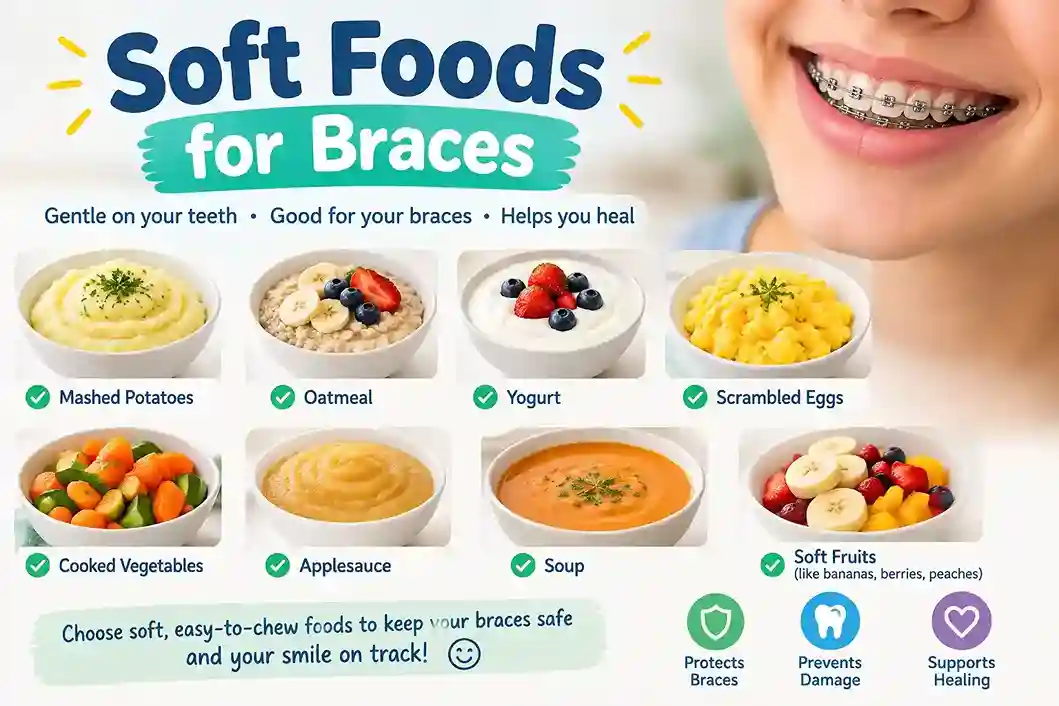
Your teeth ache, your gums feel tender, and dinner suddenly seems like a challenge. This is normal after braces are placed or tightened. Eating the wrong meal now can bend a wire, pop a bracket, or add days of unnecessary pain. The right soft foods for braces solve this problem fast, protecting your appliance while keeping you comfortable, nourished, and on schedule for a straighter smile.
Why Soft Foods for Braces Matter After Every Adjustment
Braces place gentle, continuous pressure on your teeth to guide them into position. That pressure is what causes soreness for two to four days after installation or tightening. Chewing hard or crunchy items during this window adds extra force to teeth that are already under strain.
Soft foods for braces reduce that extra pressure. They let you eat without biting down hard, so your teeth and gums get time to adjust. This single habit prevents most of the pain patients report in the first week.
Beyond comfort, food choice protects the hardware itself. Brackets and wires are strong but not indestructible, and one wrong bite can mean an unplanned trip to the orthodontist.
Soft Foods for Braces During the First 72 Hours
The first three days are the hardest part of any orthodontic journey. Your mouth is adjusting to new pressure, and even lukewarm water can feel sensitive against your gums.
Stick to foods that need almost no chewing:
- Blended soups (tomato, potato, pumpkin)
- Smoothies and protein shakes
- Mashed potatoes with gravy or butter
- Plain yogurt or Greek yogurt
- Scrambled eggs
- Applesauce
- Pudding and custard
These soft foods for braces require minimal jaw movement, so they rarely trigger pain. Keep meals lukewarm rather than hot or cold, since braces can make teeth temporarily sensitive to temperature extremes.
Building a Full Week of Soft Foods for Braces
Once the first three days pass, most patients can handle slightly more texture. This is the stage to plan balanced meals instead of surviving on liquids alone.
A sample day might look like this:
| Meal | Soft Food Option |
| Breakfast | Oatmeal with mashed banana |
| Mid-morning snack | Smoothie with yogurt and soft berries |
| Lunch | Soft pasta with cream sauce |
| Afternoon snack | Hummus with soft pita strips |
| Dinner | Baked fish with mashed sweet potato |
| Dessert | Rice pudding |
Rotating meals like this keeps your diet varied while every item stays gentle on new braces.
Best Soft Breakfast Foods for Braces Wearers
Mornings are often the toughest time to eat with sore teeth, since sensitivity tends to peak overnight. A soft, protein-forward breakfast sets the tone for the rest of the day.
Reliable choices include:
- Scrambled or soft-boiled eggs
- Oatmeal or cream of wheat
- Pancakes without nuts, soaked lightly in syrup
- Cottage cheese with soft fruit
- Overnight oats blended smooth
These soft foods for braces deliver protein and fiber without requiring hard chewing, which matters most in the early morning hours.
Soft Lunch and Dinner Ideas for Braces Patients
Midday and evening meals need more substance, but that doesn’t mean sacrificing comfort. Focus on foods that are naturally tender or become tender through cooking.
- Slow-cooked or shredded meat in sauce
- Soft-cooked pasta with marinara or alfredo
- Steamed and mashed vegetables
- Rice bowls with soft-cooked protein
- Soups with pureed vegetables and soft noodles
- Baked fish that flakes easily with a fork
Braising, slow-cooking, and steaming turn tougher cuts of meat and firm vegetables into braces-friendly meals without losing flavor.
Soft Snacks and Desserts Safe for Braces
Between-meal cravings don’t have to stall your progress. Several snacks satisfy hunger and sweet tooth cravings while staying gentle on brackets and wires.
- Pudding, custard, and mousse
- Soft cheese with crackers cut small
- Ice cream (in moderation)
- Smoothie bowls
- Soft, chewy granola bars without nuts
- Banana or avocado slices
Pair sweet treats with water afterward to rinse away sugar and lower the risk of decay around brackets.
Soft Fruits and Vegetables for Braces
Fresh produce is essential for healing and overall health, but raw crunchy pieces are a common cause of broken brackets. Cooking or slicing produce correctly solves this.
Safe soft fruits:
- Ripe bananas
- Ripe peaches and pears
- Mashed avocado
- Berries (soft varieties like blueberries and raspberries)
- Melon, cut small
Safe soft vegetables:
- Steamed carrots and broccoli
- Mashed sweet potato or squash
- Sautéed spinach or zucchini
- Roasted eggplant
Cooking vegetables until fork-tender is one of the simplest ways to keep meals nutritious without risking your appliance.
Protein-Rich Soft Foods for Braces
Protein supports gum healing and keeps you full longer, which matters when smaller, softer meals leave you hungry sooner. Choose preparations that soften naturally during cooking.
- Scrambled eggs or egg salad
- Slow-cooked shredded chicken or pork
- Meatloaf or soft meatballs
- Tofu, silken or firm
- Fish that flakes easily
- Greek yogurt and cottage cheese
- Protein shakes and smoothies
These soft foods for braces make it easy to hit daily protein targets without added chewing strain.
Foods to Avoid With Braces (And Why It Matters)
Knowing what to skip is just as important as knowing what to eat. Certain textures place direct stress on brackets, wires, and bands.
| Category | Examples | Risk |
| Hard | Nuts, hard candy, ice | Cracks or dislodges brackets |
| Sticky | Caramel, taffy, chewing gum | Pulls wires loose |
| Crunchy | Popcorn, chips, raw carrots | Traps particles, bends wires |
| Chewy | Bagels, licorice, jerky | Strains bands and brackets |
| Bite-first foods | Corn on the cob, whole apples | Forces front teeth into hard force |
Cutting fruit and vegetables into small pieces, and avoiding gum entirely, prevents most orthodontic emergencies caused by diet.
How to Prepare Soft Foods for Braces at Home
A few kitchen habits make every meal easier during orthodontic treatment.
- Use a blender for soups, smoothies, and sauces
- Steam or slow-cook vegetables and meat until fork-tender
- Cut all fruit into bite-size pieces before eating
- Keep meals lukewarm instead of very hot or cold
- Batch-cook soft meals ahead of adjustment appointments
Preparing food this way turns almost any recipe into one of many soft foods for braces you can enjoy without discomfort.
Full Soft Foods for Braces Chart
| Food Group | Examples |
| Dairy | Yogurt, cottage cheese, pudding, milkshakes, soft cheese |
| Grains | Oatmeal, soft pasta, rice, mashed potatoes, soft bread |
| Protein | Scrambled eggs, shredded meat, fish, tofu, protein shakes |
| Fruits | Bananas, applesauce, ripe peaches, berries, melon |
| Vegetables | Steamed carrots, mashed squash, sautéed spinach |
| Soups | Cream soups, broths, pureed vegetable soup |
| Desserts | Ice cream, custard, mousse, rice pudding |
Save or print this chart and keep it on your refrigerator during the first week after each adjustment.
When to Reintroduce Regular Foods After Braces
Most soreness fades within three to five days after braces are placed or tightened. At that point, you can gradually add firmer foods back into your diet, testing each one carefully.
Signs you’re ready to expand your diet:
- Chewing no longer causes sharp pain
- Gums feel less swollen
- Your orthodontist has confirmed brackets are secure
Even after soreness fades, permanent restrictions remain for hard, sticky, and crunchy foods until your braces come off. Soft foods for braces stay useful as a fallback any time you feel discomfort after a future adjustment.
Your Next Step Toward a Comfortable, Confident Smile
Eating with braces doesn’t have to mean giving up flavor or nutrition. With the right soft foods for braces, you can protect your appliance, ease soreness, and stay on track for the smile you’re working toward. Save this guide, share it with anyone starting treatment, and check with your orthodontist before trying new foods during your first week.