Does the BRAT Diet Stop Diarrhea? Safe
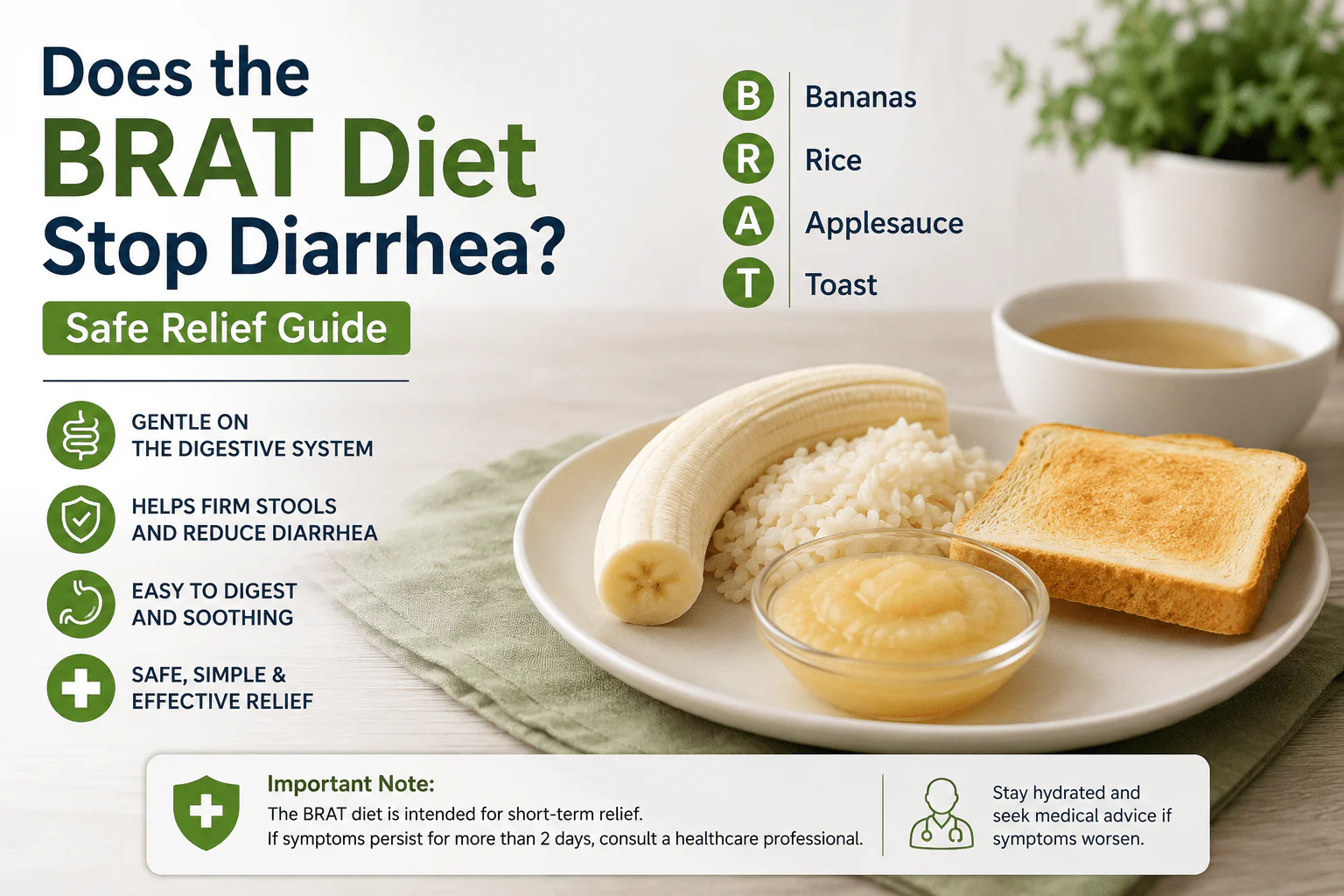
BRAT Diet: What It Is, How It Works, and When to Use It
Stomach troubles have a way of arriving without warning — and when diarrhea strikes, the last thing you want is to eat something that makes it worse. The BRAT diet has helped people calm their digestive systems for decades. Here is everything you need to know about using it effectively, safely, and for exactly the right amount of time.
What Does BRAT Stand For?
BRAT is an acronym for Bananas, Rice, Applesauce, and Toast — four plain, low-fiber foods that are gentle on an upset stomach. Originally developed as a go-to recommendation for gastrointestinal illness, this approach gives your gut a temporary break from hard-to-digest foods while helping firm up loose stools.
Why These Four Foods Work
When your intestines are inflamed from a stomach bug or acute diarrhea, even mildly complex foods can extend your discomfort. Each food in the BRAT plan targets a specific digestive problem:
| Food | Key Benefit | How to Prepare |
|---|---|---|
| Bananas | Replenish potassium; pectin naturally firms stool | Ripe, peeled — whole or mashed |
| Rice | Absorbs excess gut fluid; adds stool bulk | Plain boiled white rice only |
| Applesauce | Pectin soothes intestinal lining | Unsweetened, unflavored |
| Toast | Easy-to-process simple carbs, minimal fiber | Dry white bread, no toppings |
The common thread: all four are starchy, low in fiber, and require minimal digestive effort. This lets an inflamed gut slow down, recover, and gradually return to normal function.
Foods to Avoid While Following This Plan
Eating the wrong things during a stomach illness can undo your progress quickly. While on this diet, skip:
- Dairy (milk, cheese, ice cream) — hard to break down when digestion is compromised
- Fried or greasy foods — slow to digest and can trigger cramping
- Spicy seasonings — irritate the intestinal lining
- Raw vegetables and high-fiber fruits — too much roughage for a healing gut
- Sugary drinks and artificial sweeteners — can draw water into the intestines and worsen loose stools
How Long Should You Stay on the BRAT Diet?
Stick to this plan for 24 to 48 hours maximum. It is a short-term intervention, not a long-term eating strategy. Bananas, rice, applesauce, and toast are nutritionally limited — they lack adequate protein, fat, and essential vitamins. Staying on this plan too long slows your overall recovery and leaves your immune system without the building blocks it needs.
By day two, begin adding mild proteins like boiled skinless chicken, plain scrambled eggs, or clear broth. Gradually reintroduce your regular diet as your appetite improves and stools become more solid.
Upgrading to a Modified BRAT Diet
The original four foods are a starting point, not a ceiling. Once you have had a few hours of improvement, you can safely incorporate:
- Boiled or baked skinless chicken — lean protein with minimal gut burden
- Scrambled or hard-boiled eggs — gentle protein that accelerates recovery
- Plain oatmeal or saltine crackers — mild carbohydrates with some substance
- Clear broths and chicken soup — hydration plus trace minerals
These additions keep your digestive load light while giving your body the nutrients it needs to actually heal.
Hydration: The Part People Often Miss
The BRAT diet addresses what you eat — but what you drink matters just as much. Diarrhea depletes your body of fluids and electrolytes like sodium and potassium. Without replacing them, dehydration sets in fast.
Best choices while recovering:
- Water — sip steadily throughout the day
- Oral rehydration solutions (ORS) such as Pedialyte — replace lost electrolytes efficiently
- Clear broths — provide hydration plus small amounts of sodium
- Decaffeinated herbal tea — gentle and hydrating
Avoid: fruit juices, coffee, sodas, and sports drinks. Despite common assumptions, these can pull more water into the intestines and extend diarrhea.
Is the BRAT Diet Safe for Children?
With some modifications, yes — but with an important caveat. Current pediatric guidelines from the American Academy of Pediatrics (AAP) no longer recommend restricting children to these four foods alone. Growing children need protein and fat even when ill.
Use the BRAT foods as a starting framework for toddlers or young children, but aim to reintroduce soft proteins like eggs or lean meat within 24 hours. Always check with your child’s pediatrician before significantly restricting their food intake.
When to Stop Home Management and See a Doctor
This dietary approach works for mild, short-term digestive distress. It is not a substitute for medical care when symptoms become serious.
Seek immediate medical attention if you notice:
- Blood or dark tarry appearance in your stool
- Fever exceeding 102°F (38.9°C)
- Signs of severe dehydration — extreme thirst, dry mouth, dizziness, or decreased urination
- Diarrhea that persists beyond two days
These symptoms point to conditions requiring medical evaluation, not dietary adjustments.
Common Questions
How quickly does the BRAT diet show results? Most people notice firmer stools and reduced cramping within 12 to 24 hours of starting.
Can adults use this approach for stomach flu? Yes. It provides a gentle re-entry into eating when nausea and diarrhea make normal meals difficult.
Does it help with nausea too? The bland nature of these foods avoids triggering the gag reflex, which makes them easier to tolerate when nausea is present.
Are eggs allowed? Plain scrambled or hard-boiled eggs are a smart addition to a modified version of this diet, especially once initial symptoms begin improving.
Is peanut butter okay? No. Its high fat and protein content are too demanding on a recovering digestive system.
What is the first sign it is working? A reduction in abdominal cramps typically comes first, followed by stools becoming progressively firmer and less frequent.
The Bottom Line
The BRAT diet is a practical, short-term strategy for managing acute diarrhea and stomach upset. Used correctly — meaning for 48 hours or less, with consistent hydration and a timely return to balanced eating — it gives your digestive system the reset it needs. Extend it beyond that window, and the nutritional gaps become a problem in themselves.
Think of it as a bridge, not a destination. Get through the worst of it, then refuel your body properly.