The Ultimate Guide to Steak Fries: Why These Chunky Wonders Rule the Plate
Introduction: Why We Love the Mighty Steak Fry
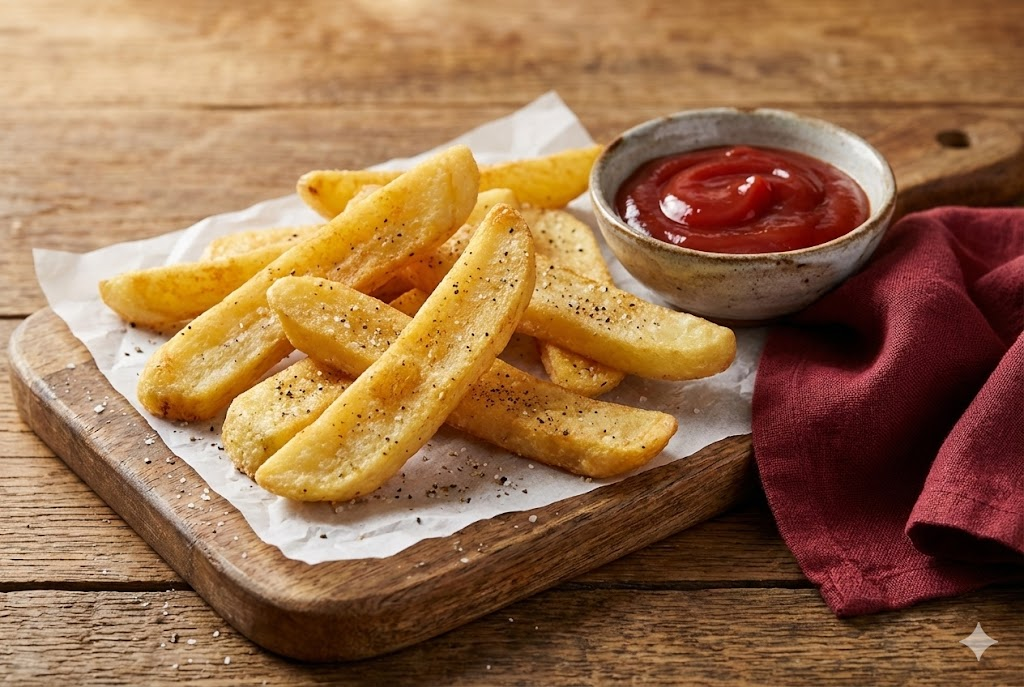
Have you ever bitten into a perfect, crispy French fry? It is one of life’s simple, happy moments! But let’s be honest, not all fries are created equal. We’re not talking about those skinny shoestring fries that get cold too fast. We are talking about the true champions of the spud world: steak fries. These are the big, chunky, golden potato sticks that offer a satisfying crunch on the outside and a fluffy, mashed potato-like interior. They are hearty. They are comforting. They hold up to any dipping sauce you can throw at them!
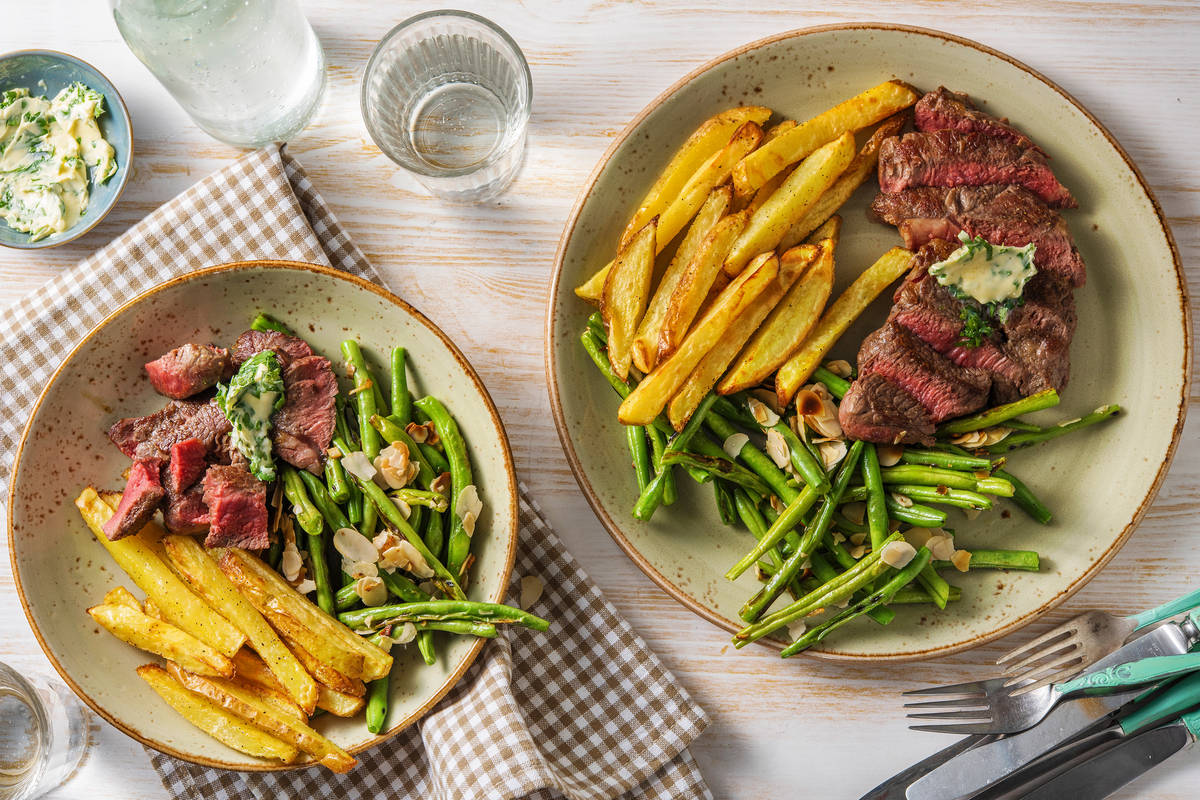
The steak fry is more than just a side dish. It is a star performer that can elevate any meal, from a simple grilled cheese sandwich to a fancy, juicy ribeye steak. Their shape is key, giving them a perfect ratio of crispy surface area to creamy center. This article will dive deep into the world of these amazing potatoes. We’ll cover their history, how to make them perfectly at home, where to find the absolute best ones (like the famous steak fries Texas Roadhouse style), and even how to find the tastiest steak fries near me. Get ready to celebrate this wonderful, underrated side dish!
Homemade Crispy Steak Fries Recipe
Thick-cut, crispy on the outside, fluffy on the inside – the perfect oven-baked steak fries!

Fresh ingredients: Russet potatoes, oil, and seasonings
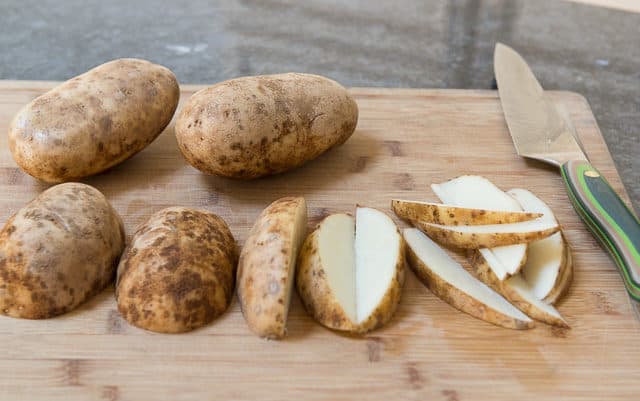
Cutting potatoes into thick wedges

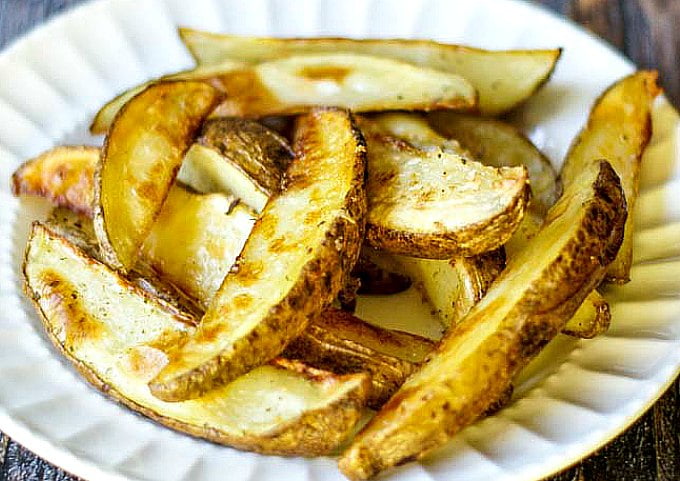
Perfectly seasoned and ready for baking
Ingredients (Serves 4)
- 4 large Russet potatoes (washed and scrubbed)
- 3-4 tablespoons olive oil or avocado oil
- 1 teaspoon garlic powder
- 1 teaspoon paprika (smoked or sweet)
- 1 teaspoon salt (or to taste)
- 1/2 teaspoon black pepper
- Optional: 1 teaspoon dried herbs (rosemary, thyme, or Italian seasoning)
- Optional: Fresh parsley for garnish
:max_bytes(150000):strip_icc()/277798steak-friesSoupLovingNicole4x3-8673331895fa4f17ab1b1cc4e1177c29.jpg)

Instructions
- Preheat the oven: Heat your oven to 425°F (220°C). Line a large baking sheet with parchment paper or lightly grease it.
- Cut the potatoes: Cut each potato lengthwise into 8-10 thick wedges (about 1/2 to 3/4 inch thick). Keep the skin on for extra crispiness and nutrition.
- Season: In a large bowl, toss the potato wedges with olive oil, garlic powder, paprika, salt, pepper, and any optional herbs until evenly coated.
- Arrange on baking sheet: Place the wedges in a single layer, skin-side down if possible (this helps them crisp up better). Don’t overcrowd – use two sheets if needed.
- Bake: Bake for 35-45 minutes, flipping halfway through, until golden brown and crispy on the edges.
- Serve: Garnish with fresh parsley if desired. Enjoy hot with ketchup, aioli, or your favorite dipping sauce!

Hungry for More? Find Food Near You!
Search for restaurants, takeaways, and delicious meals nearby.
Search Food Near MeWhat Exactly Are Steak Fries? A Potato Dictionary
Let’s clear up exactly what makes a fry a steak fry. Think of a classic French fry, then make it bigger and bolder. A typical French fry is usually about a quarter-inch thick. A steak fry, however, is cut much thicker—often between one-half to three-quarters of an inch thick. This big, sturdy cut is what gives them their unique texture. Because they are so thick, they need to be cooked a little differently than thin fries.
When you cook a thicker fry, the high heat has to work harder to reach the middle. This slow cooking process is a good thing! It makes the outside super crunchy and caramelized, while the inside turns soft and fluffy. It’s almost like eating a baked potato and a potato chip at the same time. The name “steak fry” comes from the fact that they are the traditional, best-suited side dish for a big, sizzling steak. They are sturdy enough to stand up to the rich flavors and juices of a hearty main course. We will explore the fun history behind this classic pairing later on in our ultimate guide to these chunky wonders.
The Secret to Cutting and Preparing Perfect Steak Fries at Home
Making fantastic steak fries at home is easier than you might think! The first step is choosing the right potato. Russet potatoes are your best friend here. They are high in starch, which is what gives you that light, fluffy texture on the inside. Start by washing and peeling your potatoes, although leaving the skin on adds a nice rustic touch and extra fiber! Next comes the all-important cut. You want to slice the potato lengthwise into planks. Then, cut those planks into thick batons, about a half-inch wide. Remember, consistency is key! All your fries should be about the same size so they cook evenly.
After cutting, a crucial step for truly crispy fries is soaking them. Place your cut potatoes in a bowl of cold water for at least 30 minutes. This draws out some of the excess starch. Less starch means a crispier, crunchier final product. After the soak, dry them completely with a clean towel. Any leftover water will turn your oil soggy and prevent that great crunch we all want. Now they are ready for the cooking method of your choice—be it deep-frying, baking, or air-frying. We will detail the best cooking methods in a later section.
H2 Headings (Remaining Sections)
- The Great Fry-Off: Comparing Steak Fries to Shoestring, Crinkle-Cut, and Waffle
- Focus on the texture and flavor contrast.
- Discuss the practical use (dipping, holding up to main dishes).
- Personal experience/preference commentary.
- The Dual-Cook Method: Achieving Maximum Crunchiness (A Deep-Frying Masterclass)
- Detail the “blanching” (first) fry at a lower temperature.
- Detail the “crisping” (second) fry at a higher temperature.
- Seasoning tips right after the second fry.
- Baking vs. Air-Frying: Making Healthier Steak Fries Without Deep Oil
- Detailed instructions for baking with oil and high heat.
- Detailed instructions for air-frying to get a “fried” texture.
- The best type of oil for baked/air-fried steak fries.
- Finding the Best Steak Fries Near Me: A Quest for Golden Perfection
- Using digital tools and apps to search for steak fries near me.
- Discussing local diners, pubs, and burger joints known for great fries.
- An anecdote about discovering a hidden gem location.
- Copycat Secrets: How to Make Steak Fries Texas Roadhouse Style
- Analysis of the famous steak fries Texas Roadhouse flavor (seasoning, oil).
- Step-by-step copycat recipe and preparation.
- Importance of the proprietary seasoning blend.
- The Perfect Pair: What to Serve with Your Chunky Potato Wonders
- Classic pairings (steaks, burgers, roast chicken).
- Creative, non-traditional pairings (fish tacos, chili).
- Discussion of dipping sauces beyond ketchup (aioli, cheese sauce, ranch).
- Expert Tips: Troubleshooting Common Steak Fry Problems
- Fixing soggy fries (the importance of high heat).
- Dealing with unevenly cooked fries (the importance of consistent size).
- Correcting lack of flavor (the importance of seasoning).
- The Humble History of the Fry: From Belgian Streets to Your Dinner Plate
- Brief history of the French fry and how the thick cut emerged.
- The popularity of the steak fry in American and British cuisine.
- Why this specific cut has lasted through time.
Six Well-Written FAQs
- FAQ 1: Are steak fries healthier than regular fries?
- FAQ 2: What is the best potato variety for making steak fries?
- FAQ 3: Why are my homemade steak fries soggy?
- FAQ 4: What is the difference between a wedge fry and a steak fry?
- FAQ 5: Can I freeze my cut steak fries for later use?
- FAQ 6: Where can I find the famous Texas Roadhouse steak fries seasoning?
Strong Conclusion
- A brief summary of the value of the steak fry.
- A final, encouraging call to action for the reader to try making them or searching for steak fries near me.
- Final statement reiterating the author’s expertise and love for the dish.
You May Also Like To Read: Mr Beast Burger Review: Menu, Quality, Locations & Truth Revealed