The Ultimate Guide to Perfectly Grilled Salmon
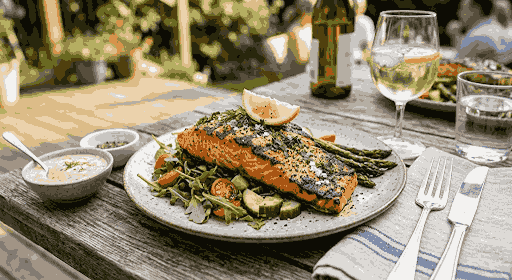
Picture the scene: the sun is setting, the coals are glowing, and the scent of sizzling, smoky fish fills the air. You are moments away from serving a meal that feels both healthy and indulgent. But the line between a succulent masterpiece and a dry, stuck-to-the-grate disaster is thin. This guide eliminates the guesswork, giving you the precise techniques and knowledge to create the best grilled salmon you have ever tasted.
Choosing the Right Salmon for the Grill
Success begins at the fish market. Opt for center-cut fillets, which are thicker and cook more evenly than the thinner tail pieces. While wild-caught varieties like Sockeye or King Salmon offer incredible flavor and a firm texture, responsibly farmed Atlantic salmon is a fantastic, high-fat choice that is very forgiving for beginners. Always look for fish with a vibrant color and a fresh, ocean-like scent, never a strong “fishy” smell.
Pro Tip: When possible, buy a single large fillet to grill instead of several small ones. It is easier to manage on the grill and retains its moisture better.
Essential Tools for Grilling Salmon
Having the right equipment makes all the difference. Here is what you need:
- A Clean, Well-Oiled Grate: This is non-negotiable for preventing sticking.
- A Sturdy Spatula: A fish spatula is thin and flexible, designed specifically for sliding under delicate fillets.
- An Instant-Read Thermometer: The single best investment for perfectly cooked grilled salmon.
- A Fish Basket or Cedar Plank (Optional): These are excellent tools for beginners or for grilling skinless fillets, as they provide a barrier between the fish and the hot grates.
Preparing Your Salmon: Skin-On or Skin-Off?
For grilling, the answer is clear: keep the skin on. The skin acts as a protective shield against the intense heat, helping the flesh stay moist. It also creates a deliciously crispy texture when grilled properly. To prepare, pat the fillets completely dry with paper towels. Removing excess surface moisture is critical for achieving a good sear and preventing the salmon from steaming. Let the fish sit at room temperature for about 15 minutes before it hits the heat.
The Best Marinades and Dry Rubs for Grilled Salmon
The rich flavor of salmon pairs well with a variety of seasonings. A simple marinade of olive oil, lemon juice, garlic, and fresh dill is a classic for a reason. For an Asian-inspired twist, try a mixture of soy sauce, maple syrup, grated ginger, and sesame oil. If you prefer a rub, a blend of brown sugar, smoked paprika, chili powder, and kosher salt creates a delicious crust.
Important Marinade Rule: Avoid marinades with high sugar content for direct grilling, as the sugar can burn quickly. If using a sweet marinade, brush it on during the last few minutes of cooking.
How to Prevent Sticking: A Critical Step
The number one fear when grilling salmon is the fish fusing to the grates. This is entirely preventable. The process is simple:
- Clean your grill grates thoroughly with a wire brush.
- Oil the grates by dipping a folded paper towel in a high-heat oil (like canola or avocado oil) and using tongs to rub it over the grates.
- Heat the grill to a high temperature before adding the fish.
- Place the salmon skin-side down and do not move it for the first few minutes. It will release naturally from the grate once a crust has formed.
Gas vs. Charcoal Grill: Which is Best?
Both types of grills can produce outstanding results. A charcoal grill imparts a deeper, smokier flavor that is hard to replicate. It creates a beautiful atmosphere but requires more hands-on management of the coals and heat zones. A gas grill, on the other hand, offers precise temperature control and convenience. It is my preferred method for a weeknight meal because of its consistency. Whichever you choose, mastering your grill’s hot and cool zones is key.
The Foolproof Method for How to Grill Salmon
This recipe delivers perfect results every time.
- Preheat Your Grill: Get your grill hot, aiming for a temperature of around 400-450°F (medium-high heat). This high heat is essential for a good sear and for the skin to crisp up.
- Prepare the Fish: Brush the salmon fillets lightly with oil and season generously with salt, pepper, and your chosen spices.
- Place on the Grill: Carefully place the salmon fillets on the preheated, oiled grates, skin-side down.
- Close the Lid and Cook: Close the grill lid and cook for 6-8 minutes, depending on thickness. The closed lid creates an oven-like environment that cooks the top of the fish gently while the bottom gets crispy.
- Flip (Optional) and Finish: For skinless fillets, a gentle flip is required for the last minute. For skin-on fillets, you can cook them entirely on the skin side, using a spatula to lift them off. The skin will stick to the grate, and the flesh will lift right off.
- Check for Doneness: Insert an instant-read thermometer into the thickest part of the fish. You are aiming for 125-130°F for medium. The fish should flake easily with a fork.
Grilled Salmon Temperature Chart: Perfect Doneness Every Time
| Doneness | Internal Temperature | Visual Cues | Texture |
|---|---|---|---|
| Medium-Rare | 120°F (49°C) | Deep orange, very moist, flakes slightly | Tender, almost custard-like |
| Medium (Recommended) | 130°F (54°C) | Lighter pink, flakes easily, juicy | Moist, buttery, firm but tender |
| Well-Done | 140°F (60°C) | Pale pink, very firm, white protein (albumin) visible | Dry, firm, less flavorful |
How Long to Grill Salmon in Foil
Grilling salmon in a foil packet is a fantastic, mess-free method, especially for delicate vegetables. To do this, place your seasoned salmon on a large sheet of heavy-duty aluminum foil. Fold the foil over and crimp the edges to create a sealed packet. Cook this packet over medium heat for 12-15 minutes. The steam inside the packet gently cooks the fish, resulting in an incredibly moist, flaky texture. This method is virtually foolproof and prevents the fish from drying out.
Delicious Side Dishes for Grilled Salmon
A great main dish deserves equally great accompaniments. Here are some ideas:
- Grilled Asparagus: Toss with olive oil, salt, and lemon zest; grill for 4-5 minutes.
- Cucumber and Dill Salad: A refreshing, cool contrast to the warm, smoky fish.
- Lemon Herb Rice or Quinoa: A light and fluffy base to soak up the juices.
- Roasted Baby Potatoes: Crispy on the outside, creamy on the inside.
- Garlic Sautéed Green Beans: A quick and healthy option.
Common Mistakes to Avoid When Grilling Salmon
Even experienced cooks make mistakes. Here is how to avoid the most common pitfalls:
- Not Preheating the Grill: A hot grill is essential for a proper sear and to prevent sticking.
- Overcooking the Fish: This is the cardinal sin of cooking fish. Always use a thermometer and remove the fish from the heat a few degrees before your target temperature, as it will continue to cook from residual heat.
- Moving the Fish Too Soon: When you place the salmon on the grill, let it sit. If you try to flip it too early, it will tear. Wait until it releases naturally from the grates.
- Over-Marinating: Acid-based marinades can “cook” the fish (like ceviche) and make it mushy if left for more than 30-45 minutes.
Storing and Reheating Leftover Grilled Salmon
Leftover grilled salmon is a wonderful thing. Store it in an airtight container in the refrigerator for up to 3 days. The best way to reheat it without drying it out is in a low-temperature oven (275°F) for about 10-15 minutes. You can also enjoy it cold, flaked over a salad, which is my personal favorite.
Frequently Asked Questions
Question: How do you know when grilled salmon is done?
Answer: The most reliable method is to use an instant-read thermometer. For a moist, medium-cooked fillet, the internal temperature should be 125-130°F. The fish should also flake easily when gently pressed with a fork.
Question: Do you flip salmon on the grill?
Answer: For skin-on salmon, flipping is generally not required. You can cook it entirely on the skin side, which acts as a protective barrier. For skinless fillets, you will need to flip them once, carefully, using a fish spatula, for the final minute of cooking.
Question: Can I use frozen salmon for grilling?
Answer: Yes, you can. The best method is to thaw it completely in the refrigerator overnight, then pat it very dry before seasoning and grilling. Grilling from frozen is difficult and often results in an overcooked exterior and an undercooked interior.
Question: Why does white stuff appear on my salmon when grilling?
Answer: The white, gooey substance is called albumin, a protein that coagulates and is pushed to the surface as the fish cooks. It is completely safe to eat but can look unappetizing. Cooking your salmon to a lower internal temperature (like 130°F) reduces the amount of albumin that appears.
Question: How can I grill salmon without it sticking to the grill?
Answer: Preventing sticking is a three-step process: (1) Start with a clean, preheated grill. (2) Oil the hot grates with a paper towel dipped in high-heat oil. (3) Place the salmon skin-side down and resist the urge to move it for the first 4-5 minutes. It will release naturally when a crust has formed.
Question: What is the best wood for smoking salmon on a grill?
Answer: Alder is the classic choice for salmon, imparting a light, sweet, and slightly smoky flavor. Cedar (using a cedar plank) is another popular option. For a stronger, more robust smoke, fruitwoods like apple or cherry work wonderfully and add a touch of sweetness.
Your Turn to Master the Grill
You now have the knowledge and the roadmap to create truly exceptional grilled salmon. The journey from a simple piece of fish to a memorable meal is a matter of technique, timing, and a little bit of confidence. I encourage you to use the methods here, trust your instincts, and make this recipe your own. The reward—a plate of perfectly cooked, smoky, and succulent salmon—is absolutely worth the effort.
We want to hear about your triumphs! Share your own tips, photos of your creation, or questions in the comments below. Let’s build a community of grill masters together.