Cuban Food Recipes: 15 Classic Cuban Dishes to Make at Home
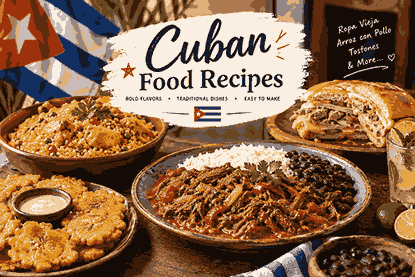
Craving Cuban food but unsure where to start? Cuban food recipes bring together slow-cooked meats, seasoned rice and beans, crisp plantains, bright citrus, garlic, and comforting stews. This guide takes you beyond a simple recipe list. You’ll learn which dishes define Cuban cooking, what ingredients create their signature flavor, how to choose the right recipe for your meal, and how to make classic Cuban dishes successfully at home.
What Makes Cuban Food So Special?
Cuban cuisine reflects several culinary traditions that developed on the island, including Spanish, African, Indigenous, and Asian influences. Cuba’s official tourism portal highlights dishes such as ajiaco, casabe, tamales, tostones, roasted pork, and congrí among its traditional foods.
The cooking is often less about complicated techniques and more about building flavor patiently. Garlic, onion, peppers, citrus, herbs, beans, rice, pork, beef, chicken, cassava, and plantains appear frequently across traditional dishes.
A useful Cuban cooking principle is simple: season early, cook patiently, and let the main ingredients remain recognizable.
15 Best Cuban Food Recipes to Try
If you want a practical starting point, these Cuban food recipes cover everything from filling main courses to crunchy sides and refreshing accompaniments.
| Dish | Type | Main Ingredients | Difficulty | Best For |
| Ropa Vieja | Beef | Beef, peppers, onion, tomato | Medium | Family dinner |
| Lechón Asado | Pork | Pork, garlic, citrus | Medium | Celebrations |
| Arroz Congrí | Rice & beans | Rice, black beans, spices | Easy | Everyday meals |
| Moros y Cristianos | Rice & beans | Rice, black beans, sofrito | Easy | Side dish |
| Cuban Black Beans | Side/Main | Black beans, onion, garlic | Easy | Meal prep |
| Picadillo | Beef | Ground beef, tomato, spices | Easy | Quick dinner |
| Pollo a la Plancha | Chicken | Chicken, citrus, garlic | Easy | Weeknight meal |
| Cuban Sandwich | Sandwich | Pork, ham, cheese, pickles | Easy | Lunch |
| Tostones | Side | Green plantains, oil, salt | Easy | Snack/side |
| Maduros | Side | Ripe plantains | Easy | Dinner |
| Yuca con Mojo | Side | Cassava, garlic, citrus | Easy | Holiday meals |
| Vaca Frita | Beef | Shredded beef, lime, onion | Medium | Dinner |
| Ajiaco | Stew | Root vegetables, meat, corn | Medium | Comfort food |
| Tamales Cubanos | Main/Side | Corn dough, seasoned filling | Hard | Gatherings |
| Flan Cubano | Dessert | Eggs, milk, sugar | Medium | Dessert |
Cuban cuisine commonly pairs rice and beans with meat, salad, and fried plantains. Cuba’s official tourism source identifies that combination as the country’s typical national meal.
1. Ropa Vieja
Ropa vieja is one of the most recognizable Cuban dishes. It features shredded beef cooked slowly with vegetables and a savory tomato-based sauce.
The long cooking time matters because tougher beef cuts become tender while absorbing the surrounding flavors.
Best served with:
- White rice
- Black beans
- Fried plantains
- Avocado or a simple salad
For the richest result, shred the beef after it becomes tender and return it to the sauce before serving.
2. Lechón Asado
Lechón asado is Cuban-style roast pork seasoned with garlic and citrus. It is especially popular for family gatherings and celebrations.
The marinade is traditionally associated with mojo, a mixture built around garlic and sour citrus flavors. The result should be juicy, deeply seasoned pork with plenty of flavor in every bite.
If you are preparing Cuban food recipes for a gathering, roast pork makes an excellent centerpiece because the leftovers work well in sandwiches, rice dishes, and bowls.
3. Arroz Congrí
Arroz congrí combines rice and beans in one satisfying dish. Black beans give the rice its characteristic color and earthy taste.
The secret is not to treat the beans and rice as unrelated ingredients. Cooking them with aromatics allows the flavors to develop together.
A simple plate of congrí can become a complete meal when paired with:
- Roast pork
- Fried plantains
- Fresh salad
- Avocado
4. Moros y Cristianos
Moros y Cristianos is another classic rice-and-black-bean combination. The name refers to the contrasting colors of the dark beans and white rice.
Recipes vary from kitchen to kitchen, but onion, garlic, peppers, spices, and beans form a flavorful foundation.
For home cooks, this is one of the easiest Cuban food recipes to adapt because it works well as both a side dish and a filling main meal.
5. Cuban Black Beans
Black beans are a major part of Cuban cooking. They can be served alongside rice or incorporated directly into rice dishes.
A good pot of black beans should taste savory and aromatic rather than simply salty. Onion, garlic, peppers, herbs, and a little acidity can make a noticeable difference.
USDA’s MyPlate recipe for Cuban beans and rice uses garlic, onion, green pepper, vinegar, oregano, black beans, broth, and rice. Its published version provides four servings and also supplies nutrition information.
Quick tip: If your beans taste flat, check the seasoning before adding more salt. A small amount of acidity can brighten the entire dish.
6. Cuban Picadillo
Picadillo is a practical ground-beef dish that fits busy weeknight cooking. The beef cooks with tomato, aromatics, and seasonings to create a flavorful mixture that pairs naturally with rice.
It is also flexible.
You can serve picadillo with:
- White rice
- Black beans
- Plantains
- Bread
- A simple green salad
This makes it one of the most approachable Cuban food recipes for someone cooking Cuban food for the first time.
7. Pollo a la Plancha
Pollo a la plancha means chicken cooked on a hot flat cooking surface. Cuban versions often use garlic and citrus to create a bright, savory flavor.
The key is to avoid overcooking the chicken. Marinate it for flavor, then cook it until safely done while keeping the meat juicy.
Serve it with rice, beans, plantains, or vegetables for a simple Cuban-inspired dinner.
8. Cuban Sandwich
The Cuban sandwich is a pressed sandwich traditionally associated with Cuban communities in Florida. A classic version combines Cuban bread, roast pork, ham, Swiss cheese, mustard, and pickles.
The contrast makes the sandwich work:
- Crisp toasted bread
- Tender pork
- Salty ham
- Melted cheese
- Tangy pickles
- Sharp mustard
Pressing the sandwich helps combine those textures into every bite.
9. Tostones
Tostones are green plantains that are fried, flattened, and fried again until crisp.
They make an excellent side dish because their crunchy texture balances softer foods such as beans, rice, and stews.
Basic method:
- Peel green plantains.
- Cut them into thick pieces.
- Fry until partially cooked.
- Flatten each piece.
- Fry again until crisp.
- Season while warm.
Plantains are also specifically featured among traditional Cuban foods by Cuba’s official tourism portal.
10. Maduros
Maduros use ripe plantains rather than green ones. As plantains ripen, their flavor becomes naturally sweeter and their texture softens.
Slice them lengthwise or diagonally and cook until the outside develops a caramelized appearance.
Maduros pair beautifully with savory foods because their sweetness creates contrast rather than competing with the main dish.
11. Yuca con Mojo
Yuca con mojo combines boiled cassava with a bright garlic-and-citrus sauce.
Cassava has a hearty, starchy texture, while mojo adds acidity and aroma. That contrast makes the dish particularly useful beside rich roasted meats.
For easier preparation, cut the cassava into manageable pieces and cook until tender before adding the sauce.
12. Vaca Frita
Vaca frita begins with cooked beef that is shredded and then cooked again until the edges become browned and flavorful.
Garlic, lime, and onion provide the dish’s characteristic punch.
It is especially good when you want something different from a saucy beef dish. The finished meat is drier and crispier than ropa vieja, making texture a major part of its appeal.
13. Ajiaco
Ajiaco is a hearty Cuban stew associated with a mixture of meats and root vegetables. Cuba’s official tourism material lists ajiaco among its significant traditional dishes.
It is the kind of meal that rewards slow cooking. Root vegetables add body while meat and seasonings create a rich broth.
Because ingredients can vary by recipe and region, ajiaco is better understood as a traditional style of stew rather than one rigid formula.
14. Tamales Cubanos
Cuban tamales use seasoned corn-based dough with a flavorful filling. They are more involved than everyday rice or bean dishes, so they work especially well for weekends and family gatherings.
The preparation takes patience because the dough, filling, wrapping, and steaming all need attention.
If you are building a collection of Cuban food recipes, tamales are worth including because they show the more labor-intensive side of Cuban home cooking.
15. Flan Cubano
No list of Cuban food recipes is complete without dessert.
Cuban flan is a smooth custard topped with caramel. It uses simple ingredients, but the technique requires care because the custard should set without becoming overly firm.
Chill it thoroughly before serving. The caramel sauce provides enough sweetness to make the dessert feel complete without requiring elaborate decoration.
What Ingredients Are Essential for Cuban Cooking?
You do not need a huge pantry to begin making Cuban dishes.
Start with these staples:
Aromatics
- Garlic
- Onion
- Bell peppers
- Scallions
Herbs and seasonings
- Oregano
- Cumin
- Bay leaves
- Black pepper
- Salt
Main ingredients
- Rice
- Black beans
- Beef
- Pork
- Chicken
- Plantains
- Cassava
Flavor builders
- Lime or sour orange
- Vinegar
- Olive oil
- Tomato
- Mustard
The ingredient list can change considerably between recipes, but these staples give a home cook a useful foundation.
How to Build Authentic Cuban Flavor at Home
Authenticity does not come from adding every possible spice. It comes from using the right ingredients and giving them enough time to develop.
1. Start with aromatics
Cook onion, garlic, and peppers until softened. This creates a flavorful foundation before you add the main ingredient.
2. Use acidity carefully
Citrus and vinegar can wake up rich dishes. Add them thoughtfully rather than allowing acidity to dominate.
3. Give slow dishes enough time
Beef stews, beans, and roasted meats often improve when cooked patiently.
4. Balance textures
A soft stew becomes more exciting beside crisp tostones. Creamy beans work beautifully with fluffy rice.
5. Taste as you cook
Do not wait until the final minute to correct seasoning. Taste after major cooking stages and adjust gradually.
Cuban Food Recipes: What Should You Serve Together?
Choosing complementary dishes makes a Cuban meal feel much more complete.
| Main Dish | Rice/Beans | Side | Extra |
| Ropa Vieja | Black beans | Tostones | Salad |
| Lechón Asado | Congrí | Maduros | Avocado |
| Picadillo | White rice | Black beans | Plantains |
| Pollo a la Plancha | Rice | Yuca con Mojo | Salad |
| Vaca Frita | Moros y Cristianos | Tostones | Lime |
| Cuban Sandwich | — | Plantain chips | Pickles |
| Ajiaco | — | Bread | Fresh salad |
This approach keeps the plate balanced instead of placing several heavy dishes together.
What Is the Easiest Cuban Dish for Beginners?
Start with Cuban black beans and rice.
The combination uses accessible ingredients and teaches several important techniques: sautéing aromatics, seasoning beans, controlling liquid, and cooking rice properly.
USDA’s Cuban beans and rice recipe also demonstrates how garlic, onion, green pepper, oregano, vinegar, beans, broth, and rice can form a straightforward meal.
Once you are comfortable with that foundation, move to picadillo, tostones, or pollo a la plancha.
How Can You Make Cuban Recipes Faster?
Traditional cooking can take time, but you can simplify the process without sacrificing flavor.
Try these practical shortcuts:
- Prepare sofrito ingredients in advance.
- Cook a large batch of beans for several meals.
- Keep cooked rice ready for quick dinners.
- Use leftover roast pork for sandwiches.
- Prepare plantains immediately before serving.
- Marinate chicken or pork ahead of time.
- Freeze portions of cooked beans and shredded meat.
The goal is not to rush every recipe. Instead, prepare components ahead so the final meal comes together quickly.
Are Cuban Food Recipes Spicy?
Most classic Cuban dishes are flavorful rather than intensely hot.
Garlic, citrus, herbs, onions, peppers, and spices create depth without requiring large amounts of chili heat.
That makes Cuban cooking approachable for people who prefer aromatic food over very spicy food.
If you enjoy heat, you can add a small amount of fresh chili or hot sauce to individual portions without changing the character of the entire dish.
How Do Cuban Food Recipes Differ From Other Caribbean Foods?
Cuban cuisine shares ingredients and historical influences with other Caribbean cuisines, but it has its own combinations and traditions.
Rice and beans, roast pork, plantains, cassava, citrus, garlic, and sofrito-style preparations appear frequently. Cuba’s official tourism information describes the cuisine as a blend of Spanish, African, Indigenous, and other influences, reflecting the island’s complex culinary history.
The important point is that Caribbean food is not one single cooking style. Each island and community has developed its own flavors, ingredients, and traditions.
How to Choose the Right Cuban Recipe
Use this simple guide:
Want something quick?
Choose picadillo, pollo a la plancha, or a Cuban sandwich.
Want a family dinner?
Choose ropa vieja, roast pork, or arroz congrí.
Want a crispy side?
Make tostones or maduros.
Want comfort food?
Try ajiaco or black beans with rice.
Want something for a celebration?
Lechón asado and Cuban tamales are strong choices.
Want dessert?
Finish with Cuban flan.
This makes Cuban food recipes easier to explore without feeling overwhelmed by a long list of unfamiliar dishes.
Common Mistakes When Making Cuban Food
Even a simple recipe can lose its character when a few details go wrong.
Adding too much seasoning
More spices do not automatically create more flavor. Build the dish gradually.
Rushing the aromatics
Onion, garlic, and peppers need time to soften and release their flavors.
Overcooking chicken
Chicken can quickly become dry. Monitor cooking closely.
Skipping acidity
A small amount of citrus or vinegar can balance rich dishes.
Serving everything soft
Add contrasting textures with crispy plantains, toasted bread, or fresh vegetables.
Treating recipes as rigid formulas
Traditional home cooking naturally varies. Use established techniques as your foundation while adjusting ingredients to suit your kitchen and preferences.
A Simple Cuban Meal Plan
If you want to explore Cuban cooking over one week, try this plan:
Monday: Cuban black beans with rice
Tuesday: Pollo a la plancha with maduros
Wednesday: Picadillo with white rice
Thursday: Vaca frita with tostones
Friday: Cuban sandwich
Saturday: Ropa vieja with beans and plantains
Sunday: Lechón asado with congrí and salad
This gives you variety without requiring a completely different pantry every day.
Frequently Asked Questions
What are the most popular Cuban food recipes?
Popular choices include ropa vieja, lechón asado, arroz congrí, Cuban black beans, picadillo, tostones, maduros, yuca con mojo, and the Cuban sandwich.
What is a traditional Cuban meal?
A traditional Cuban meal commonly combines rice and black beans with roast pork or another meat, salad, and fried plantains. Cuba’s official tourism portal identifies this combination as the typical national dish.
What spices are commonly used in Cuban cooking?
Common seasonings include garlic, oregano, cumin, bay leaves, black pepper, onion, and peppers. Citrus and vinegar also help create balance.
Are Cuban dishes usually spicy?
Not usually. Cuban cooking generally emphasizes garlic, herbs, citrus, onions, peppers, and savory seasoning rather than intense chili heat.
What Cuban dish should a beginner make first?
Black beans and rice are an excellent starting point because the ingredients are simple and the techniques are easy to practice.
Can Cuban recipes be made with everyday ingredients?
Yes. Many dishes rely on familiar ingredients such as rice, beans, chicken, beef, pork, onions, garlic, peppers, plantains, and citrus.
Final Thoughts
Great Cuban cooking does not require an enormous ingredient list or complicated restaurant techniques. Start with a few dependable staples—rice, beans, garlic, onions, citrus, plantains, and your choice of meat—then build your skills one dish at a time.
The best Cuban food recipes are the ones that make you want to cook them again. Begin with black beans and rice, move to picadillo or tostones, and eventually tackle ropa vieja, roast pork, or homemade tamales. With patience and careful seasoning, you can bring the warmth and character of Cuban cooking into your own kitchen.