The Ultimate Fried Chicken Sandwich with Anchovy-Garlic Dressing
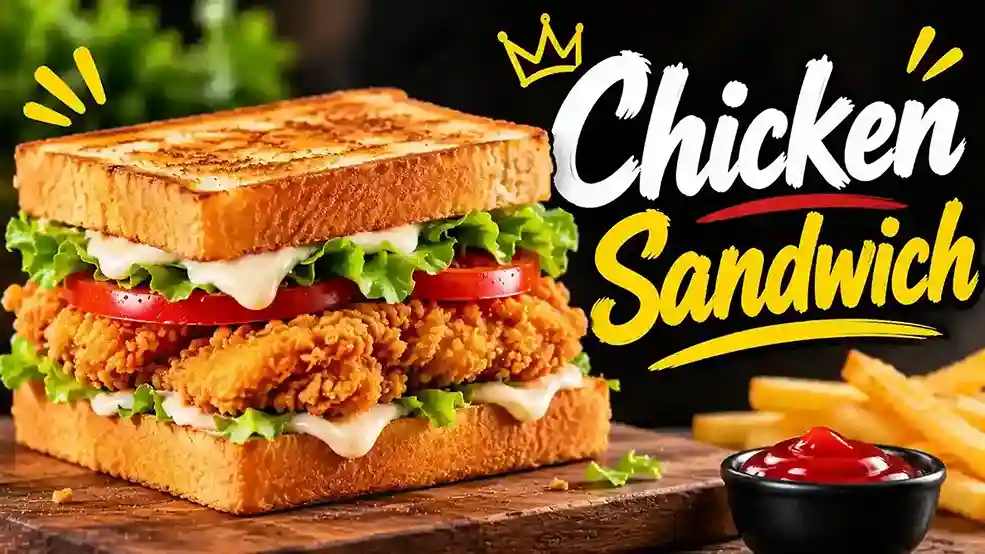
Most homemade chicken sandwiches taste flat and forgettable. Dry meat, boring mayo, and limp bread turn a promising lunch into a letdown. This fried chicken sandwich recipe fixes every single problem. A buttermilk-brined breast, a shatteringly crisp coating, and a bold anchovy-garlic dressing create layers of umami, heat, and crunch that rival the best restaurant versions you have ever tried.
Why This Fried Chicken Sandwich Tastes Better Than Restaurant Versions
Restaurant kitchens rely on deep fryers and industrial prep lines. Your home kitchen has something they lack: total control over every ingredient.
This fried chicken sandwich builds flavor at every stage. The buttermilk brine seasons the meat from the inside out. The anchovy-garlic dressing adds a deep, savory punch that plain mayo simply cannot match. Fresh radicchio and smashed Castelvetrano olives introduce bitterness and brine that cut through the richness of the fried coating.
The result is a fried chicken sandwich that delivers complexity in every single bite. You taste salt, acid, heat, fat, and umami in perfect balance.
What Is Anchovy-Garlic Dressing and Why Does It Work on Chicken?
Anchovy-garlic dressing belongs to the same family as Caesar dressing and bagna càuda. Anchovy fillets melt into the emulsion, leaving behind a deep savory backbone without any fishy taste.
The combination of Dijon mustard, raw garlic, white wine vinegar, and grated Parmesan creates a creamy, tangy sauce that clings to crispy chicken beautifully. The vinegar brightens the heavy fried coating, while the Parmesan adds a salty, nutty finish.
When you drizzle this dressing over a hot fried chicken sandwich, it seeps into the breading cracks and coats the meat in pure umami. One bite and you will wonder how you ever settled for plain mayonnaise.
Choosing the Right Chicken Breast for Frying
The cut you pick determines the final texture of your fried chicken sandwich. Boneless, skinless chicken breast remains the gold standard because it fries evenly and fits neatly inside sliced bread or a bun.
Select breasts that weigh between six and eight ounces each. Larger breasts take too long to cook through, which risks burning the coating before the center reaches a safe 165°F (74°C), the minimum internal temperature recommended by the U.S. Food and Drug Administration (FDA).
Pound each breast to an even three-quarter-inch thickness using a meat mallet or a heavy skillet. Uniform thickness guarantees that the chicken cooks at the same rate from edge to center.
| Chicken Cut | Weight Ideal | Fry Time | Juiciness | Best For |
| Boneless Breast | 6–8 oz | 5–7 min | Medium | Classic fried chicken sandwich |
| Boneless Thigh | 4–6 oz | 6–8 min | High | Extra-moist sandwich |
| Tenderloin | 2–3 oz | 3–4 min | Medium-Low | Slider-sized sandwich |
| Butterflied Breast | 5–7 oz | 4–6 min | High | Quick weeknight sandwich |
The Buttermilk Marinade: Your Secret to Juicy Fried Chicken
A buttermilk soak is the single most important step in building a great fried chicken sandwich. The lactic acid gently breaks down protein fibers, which keeps the meat tender and moist even after high-heat frying.
Combine two cups of full-fat buttermilk, one tablespoon of kosher salt, two smashed garlic cloves, one teaspoon of smoked paprika, and half a teaspoon of cayenne pepper in a large bowl. Submerge the pounded chicken breasts and refrigerate for a minimum of four hours. Overnight brining produces the juiciest results.
Remove the chicken from the buttermilk and let excess liquid drip off before dredging. Do not rinse the meat. That thin buttermilk film helps the flour coating adhere and creates the craggy, crunchy crust you want on a fried chicken sandwich.
How to Make Anchovy-Garlic Dressing from Scratch
This dressing comes together in under five minutes with a food processor or blender. The key is adding the oil slowly to build a stable emulsion.
Ingredients:
- 7 anchovy fillets (oil-packed, drained)
- 3 tablespoons Dijon mustard
- 2 medium garlic cloves, peeled
- ¼ cup white wine vinegar
- 1 large egg (room temperature)
- 1 cup rice bran oil or neutral oil (grapeseed, vegetable)
- 1 ounce Parmesan cheese, finely grated (about ¼ cup)
- ½ teaspoon coarsely ground black pepper
Step-by-Step Instructions:
- Drop the anchovy fillets, Dijon mustard, and garlic cloves into a food processor. Pulse for 30 seconds until the mixture looks mostly smooth. Scrape down the sides.
- Add the white wine vinegar and the egg. Process for another 30 seconds until fully combined and creamy.
- With the motor running, pour the oil in a thin, steady stream through the feed tube. The dressing will thicken and turn pale yellow as the emulsion forms.
- Add the grated Parmesan and black pepper. Pulse three to four times just until incorporated. Do not over-process.
- Taste and adjust. If the dressing feels too thick, thin it with a teaspoon of warm water.
Store leftover dressing in a sealed jar in the refrigerator for up to three days. The flavors actually improve after a few hours as the garlic mellows and the anchovy integrates fully.
Best Breading and Frying Techniques for Maximum Crunch
The crunch on your fried chicken sandwich depends entirely on your breading method and oil temperature. Get both right and you will hear an audible crackle with every bite.
The Double-Dredge Method:
- Set up a dredging station with two shallow bowls. Bowl one holds two cups of all-purpose flour mixed with one teaspoon each of salt, garlic powder, and cayenne. Bowl two holds the buttermilk marinade you already used for brining.
- Drag each chicken breast through the flour, pressing firmly to coat. Dip it back into the buttermilk, then return it to the flour for a second coat. Press the flour into the meat with your palms.
- Let the breaded chicken rest on a wire rack for 10 minutes. This resting period allows the coating to hydrate and adhere, which prevents it from sliding off in the oil.
Frying Guidelines:
| Oil Type | Smoke Point | Flavor | Best For |
| Peanut Oil | 450°F | Neutral-nutty | Deep-frying |
| Rice Bran Oil | 490°F | Clean, neutral | High-heat frying |
| Vegetable Oil | 400°F | Neutral | All-purpose frying |
| Grapeseed Oil | 420°F | Light, clean | Shallow frying |
Heat your oil to 350°F (175°C) in a heavy Dutch oven or deep skillet. Fry each breast for five to seven minutes, flipping once, until the internal temperature hits 165°F and the crust turns deep golden brown. Drain on a wire rack — never on paper towels, which trap steam and soften the coating.
Why Radicchio, Olives, and Calabrian Chiles Belong on Your Sandwich
Most people top a fried chicken sandwich with iceberg lettuce and a pickle slice. Those toppings work, but they play it safe. This recipe takes a bolder route.
Radicchio brings a pleasant bitterness that cuts through the fat of the fried chicken and the richness of the anchovy dressing. Toss torn radicchio leaves in two tablespoons of the dressing right before assembling. The coated leaves wilt slightly and cling to the chicken.
Castelvetrano olives add a buttery, mildly salty pop. Smash eight pitted olives with the flat side of your knife and scatter them over the dressed radicchio. Their briny sweetness contrasts beautifully with the spicy elements.
Calabrian chiles deliver a fruity, medium-hot kick that builds slowly on the palate. Finely chop three jarred Calabrian chiles (stems and seeds removed) and sprinkle them over the chicken. You can find jarred Calabrian chiles at specialty grocery stores or order them online from retailers like Gustiamo.
Together, these three toppings transform a standard fried chicken sandwich into something that tastes like it came from a chef-driven kitchen.
Choosing the Right Bread: Sourdough vs. Brioche vs. Potato Roll
The bread you choose can make or break your fried chicken sandwich. This recipe calls for thick-cut sourdough, but other options work well depending on the texture you prefer.
| Bread Type | Texture | Sturdiness | Flavor | Toasting Method |
| Sourdough (¾-inch slices) | Chewy, tangy | Very High | Complex, sour | Broil 4–6 min |
| Brioche Bun | Soft, buttery | Medium | Sweet, rich | Skillet toast 1–2 min |
| Potato Roll | Pillowy | High | Mild, slightly sweet | Skillet toast 1–2 min |
| Ciabatta | Airy, crusty | High | Neutral, wheaty | Broil or grill 3–5 min |
| Texas Toast | Thick, soft | Medium | Buttery | Skillet toast 2–3 min |
Sourdough stands up to the heavy anchovy-garlic dressing without turning soggy. Toast both sides of each slice under a high broiler with a thin layer of softened butter until golden brown, about four to six minutes total. This double-sided toasting creates a moisture barrier that keeps the bread structurally sound even after you pile on the dressed radicchio and drizzle more sauce.
Assembling the Perfect Fried Chicken Sandwich (Layer Order Matters)
Assembly order affects how your fried chicken sandwich holds together and how the flavors distribute across each bite. Follow this stacking sequence for the best results.
Layer Order (Bottom to Top):
- Bottom sourdough slice (toasted, dressing side up) — spread one tablespoon of anchovy-garlic dressing evenly
- Dressed radicchio leaves — the tossed greens create a protective layer between the bread and the hot chicken
- Smashed Castelvetrano olives — scatter four olives per sandwich
- Chopped Calabrian chiles — about half a tablespoon per sandwich
- Hot fried chicken breast — place it directly on the toppings
- Extra dressing drizzle — one tablespoon over the top of the chicken
- Top sourdough slice (toasted, dressing side down) — press gently to compress the sandwich slightly
Pressing the sandwich down with your palm squishes the layers together and helps the dressing soak into the breading. Serve immediately while the chicken is still hot and the crust is at its crunchiest.
Fried Chicken Sandwich Nutrition and Calorie Breakdown
Understanding the nutritional profile of your fried chicken sandwich helps you enjoy it mindfully. The values below reflect one assembled sandwich using sourdough bread, a buttermilk-fried chicken breast, anchovy-garlic dressing, and the toppings listed above. Data references the USDA FoodData Central database.
| Nutrient | Per Sandwich (Approx.) | % Daily Value |
| Calories | 680–780 kcal | 34–39% |
| Protein | 38–44g | 76–88% |
| Total Fat | 42–52g | 54–67% |
| Saturated Fat | 8–12g | 40–60% |
| Carbohydrates | 35–42g | 12–14% |
| Dietary Fiber | 2–3g | 7–11% |
| Sodium | 1,100–1,400mg | 48–61% |
| Cholesterol | 140–170mg | 47–57% |
The anchovy-garlic dressing contributes a significant portion of the fat and sodium. To lighten the sandwich, use half the dressing and swap the fried breast for an air-fried version. You will save roughly 150 calories and 12 grams of fat per serving.
Make-Ahead Tips and Storage for Meal Prep
You can prepare several components of this fried chicken sandwich in advance to speed up weeknight assembly.
What to Prep Ahead:
- Anchovy-garlic dressing: Make up to three days ahead. Store in an airtight jar in the refrigerator. Shake well before using.
- Buttermilk brine: Combine the brine ingredients and submerge the chicken the night before. This actually improves the final texture.
- Breading station: Measure out the flour mixture and store it in a sealed bag at room temperature for up to two days.
- Toppings: Pit and smash the olives, chop the Calabrian chiles, and tear the radicchio up to one day ahead. Keep each component in separate containers.
Reheating Leftover Fried Chicken:
- Preheat your oven to 375°F (190°C).
- Place the chicken on a wire rack set over a baking sheet.
- Heat for eight to ten minutes until the crust re-crisps and the center warms through.
- Avoid the microwave at all costs. It turns the coating soft and rubbery.
Common Mistakes That Ruin a Fried Chicken Sandwich
Even confident home cooks fall into these traps. Avoiding them will immediately improve your fried chicken sandwich.
Mistake 1: Frying at the wrong oil temperature.
Oil that is too cool produces greasy, heavy chicken. Oil that is too hot burns the crust before the meat cooks through. Use an instant-read thermometer and maintain 350°F throughout the fry.
Mistake 2: Skipping the resting step after breading.
Breading needs time to hydrate and bond to the chicken. A 10-minute rest on a wire rack prevents the coating from falling off in the oil.
Mistake 3: Overloading the sandwich with wet toppings.
Drenched lettuce and un-drained pickles flood the bread with moisture. Pat all toppings dry and dress the radicchio lightly right before assembly.
Mistake 4: Using cold chicken on a hot sandwich.
If you fry the chicken ahead of time, reheat it properly in the oven. Cold fried chicken tastes dull and the coating loses its crunch.
Mistake 5: Forgetting to season every layer.
Season the brine, season the flour, season the dressing, and lightly salt the toppings. A fried chicken sandwich that tastes bland almost always suffers from under-seasoning at one or more stages.
Build Your Fried Chicken Sandwich Tonight
You now have every detail you need to create a fried chicken sandwich that delivers restaurant-level crunch, bold umami flavor, and perfect structural balance. The anchovy-garlic dressing takes five minutes to make and transforms an ordinary piece of fried chicken into something extraordinary. Grab your buttermilk, heat your oil, and start cooking. Your kitchen is about to smell incredible — and your dinner table is about to get a serious upgrade.