The Ultimate Guide to Finding an African Food Store Near Me
Introduction
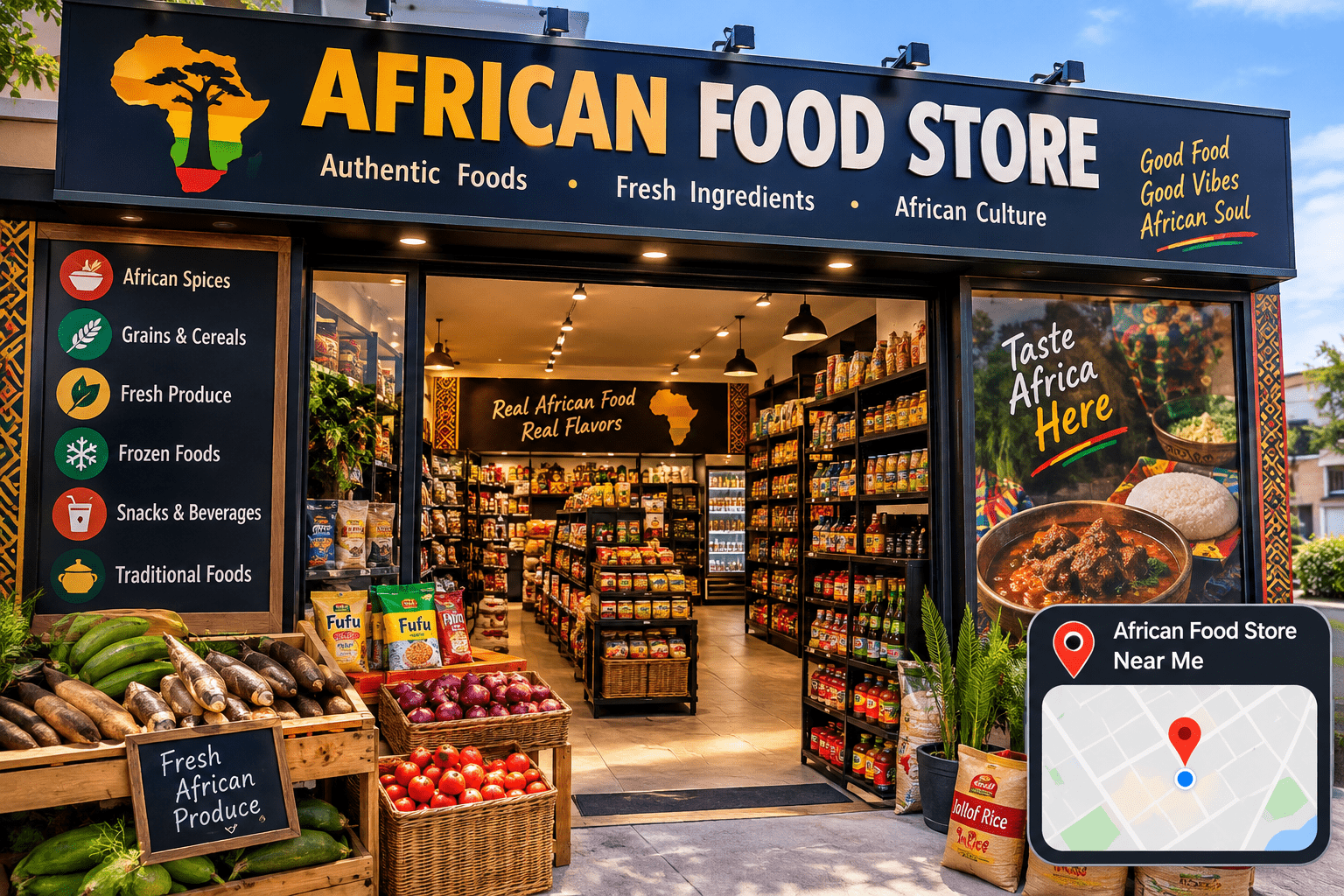
You are scrolling through your phone, hungry for the taste of home or eager to try a new recipe, but your regular supermarket just doesn’t cut it. Searching for an “African food store near me” often returns confusing results, leaving you unsure which shop has what you need. It is frustrating to drive across town only to find stale spices or empty shelves.
This guide solves that problem. We will show you exactly how to locate the freshest ingredients, identify quality vendors, and secure the authentic flavors you crave without wasting time or gas.
How to Identify a High-Quality African Grocery Store
A great store is more than just inventory; it is about turnover and care. You want to find a place that values freshness. Look for stores that smell clean and earthy, not musty or stale. The aisles should be organized, and products should be clearly labeled with dates.
Check the traffic. A busy store usually means the stock is rotating quickly. When you walk in, observe the condition of the produce. If the yams are shriveled or the peppers are molding, the store likely lacks a reliable supply chain. A high-quality shop will have vibrant, firm vegetables and a steady stream of regular customers who trust the brand.
Essential Ingredients to Buy at a Local African Store
Your local store is the only place to find authentic building blocks for flavor. You should prioritize items that generic grocery chains rarely stock. These are the staples that define the cuisine.
- Grains and Flours: Look for garri, fufu flour, millet, and teff.
- Spices and Stocks: Stock up on suya spice, dawadawa (locust beans), and authentic curry powders.
- Oils: Red palm oil is essential for West African soups. Check for a deep orange color and a rich, nutty scent.
- Proteins: Dried stockfish and smoked catfish add depth that fresh fish cannot replicate.
The Difference Between West African and East African Shops
Africa is a massive continent, and the culinary differences are vast. You cannot assume one store serves all regions. Before you visit, know what you are cooking.
If you are searching for jollof rice ingredients, egusi, or pounded yam, you need a West African (Nigerian, Ghanaian, Senegalese) store. If you need injera bread or berbere spice for Ethiopian dishes, or ugali flour common in Kenya, you need an East African (Ethiopian, Somali, Kenyan) store. Many stores specialize, so call ahead to verify their regional focus.
Local Store vs. Online Retailers: A Comparison
While online shopping offers convenience, a physical African food store offers sensory assurance.
| Feature | Local Physical Store | Online Retailer |
| Inspection | You can touch, smell, and select exactly what you want. | You rely on photos and reviews; risk of dents or staleness. |
| Shipping Cost | No shipping fees; often cheaper for heavy items like yams. | Shipping can be expensive due to weight. |
| Expertise | You can chat with the owner for cooking tips and substitutions. | Limited interaction; usually just order fulfillment. |
| Speed | You get your ingredients instantly. | You must wait days for delivery. |
How to Use Google Maps Effectively for Location Searches
Simply typing the phrase “African food store near me” into Google Maps is a start, but you need to refine it. Do not just look at the red pins; look at the reviews.
Filter results by rating. Read the reviews that mention specific products—if ten people mention “fresh ugu leaves,” that is a trust signal. Use the “Street View” to check the storefront. If it looks abandoned or unkempt on the outside, the inside likely matches. Save the store’s phone number and call before you visit to confirm they have the specific item you need in stock.
Questions You Should Ask the Store Owner
Establishing a relationship with the proprietor is the quickest way to get the best goods. They usually keep the premium items in the back for regulars. You should walk up to the counter and ask direct questions.
- “When did this shipment of smoked catfish arrive?”
- “Do you grind egusi or ogbono in-store, or is it pre-packaged?”
- “Can you order a specific brand of palm oil for me if you are out?”
These questions signal that you are a serious cook, prompting better service and better product recommendations.
Navigating the Fresh Produce Section
The produce section is where many stores succeed or fail. You will find items you won’t see anywhere else. Look for cocoyam, cassava, and Scotch bonnet peppers.
When selecting leafy greens like ugu (pumpkin leaves) or soko, check the stems. They should snap easily and look crisp, not wilted. For yams, press the flesh. It must be rock hard; soft spots indicate rot. If you see “fresh” okra that is pale and limp, skip it—frozen cut okra is often better quality for soups.
The Role of the Store in the Community
A local African food store is rarely just a retail space. It is a community hub. It is where new immigrants find a taste of home and where curious foodies discover new worlds.
These stores often act as information centers. You might see flyers for local church events, immigration lawyers, or hair braiders. This cultural significance adds to the trustworthiness of the store. When a business is the center of a community, they have a reputation to uphold. They are usually more careful about how they treat their customers and their inventory.
Understanding Pricing and Bulk Buying
You might notice that specialty items cost more than you expected. This is due to import tariffs and logistics. However, you can save money by buying in bulk.
Items like rice, beans, and flour keep well and are cheaper per pound when you buy the large bags. However, be wary of bulk-buying spices if you do not cook often; they lose potency quickly. Compare the price of imported canned goods (like palm nut concentrate) against the cost of making it fresh. Usually, the concentrate is worth the money for the time it saves.
How to Ensure Freshness When Buying Smoked Fish and Meat
Smoked proteins are the backbone of many stews, but they can be a gamble if you are not careful. In a store, the smell should be smoky and clean, never fishy or rancid.
If the store is humid, avoid buying dried goods from bins. Look for vacuum-sealed packages of smoked turkey or stockfish. For dried fish, bend it slightly. It should crack or snap; if it bends like rubber, it has absorbed moisture and is likely growing mold. Always inspect the packaging for holes.
Tips for First-Time Visitors to an African Market
Walking into a new market can be intimidating, but it should be an exciting adventure. Do not be afraid to ask what things are. Most owners love teaching new customers about their culture.
Bring a list, but be flexible. You might discover a spice blend you have never heard of. Smell the spices before you buy them—a good store will let you. Start small. If you are new to the cuisine, buy the jollof rice base or a spice mix first, rather than trying to stock a whole pantry. This prevents waste and ensures you actually like the flavors.
Storing Your African Groceries Correctly at Home
Buying the best ingredients is pointless if you ruin them on the way home. Proper storage extends the life of your haul.
- Flours and Powders: Transfer to airtight glass jars to prevent weevils.
- Palm Oil: Store in a cool, dark cupboard. It can go rancid if left in direct sunlight.
- Dried Fish: Place in a zip-lock bag in the freezer. This keeps out pests and locks in the smoky flavor.
- Fresh Yams: Keep them in a dry, dark pantry, not the fridge, as cold temperatures alter their texture.
Frequently Asked Questions
1. What is the best way to find an African food store near me right now?
The fastest method is to use Google Maps on your smartphone. Search the exact phrase “African food store near me.” Turn on your location settings so the map prioritizes shops closest to your current position and check the “Open Now” filter.
2. Do African food stores near me accept EBT or food stamps?
Many do. Most grocery stores that sell staple foods like rice, bread, and vegetables are eligible to accept SNAP benefits (EBT). However, it is always best to call the store beforehand or look for an EBT sign in the window to confirm.
3. Can I buy fresh fufu at a local store, or is it only the powdered mix?
You can usually find both, but availability depends on the region. While the powdered mix is a pantry staple everywhere, shops with a large customer base often sell fresh fufu (a wet, fermented dough) in the refrigerated section. Ask the owner for “fresh fufu” specifically.
4. Are African food stores usually more expensive than regular grocery stores?
Imported goods will carry a higher price due to shipping and customs fees. However, you can find savings on locally grown produce and bulk purchases. The value lies in the authenticity and concentration of flavor, which requires you to use less product than generic substitutions.
5. How do I know if the spices are old in an African shop?
Look for vibrant colors. Paprika should be bright red, not brown. Turmeric should be golden yellow. Most importantly, pick up the jar and shake it—if you open it and the smell hits you immediately, it is fresh. If it smells like dust, do not buy it.
6. Do I need to speak a foreign language to shop at an African food store near me?
No. While the staff might speak French, Twi, Yoruba, or Amharic to each other, they will speak English to you. Do not be shy; pointing and asking “What is this?” is a great way to build rapport and learn how to cook the ingredients you find.
Conclusion
Finding the right African food store near me changes your cooking forever. You gain access to flavors that mainstream markets cannot offer and support a local business that serves as a pillar of the community.
Your next step is simple. Open your map app, pick one of the stores you identified, and go visit. Walk the aisles, smell the spices, and talk to the people behind the counter. Your next great meal starts with that first step through their door.