Cajun Pasta: The Complete Guide to Spice, Sauce, and Flavor
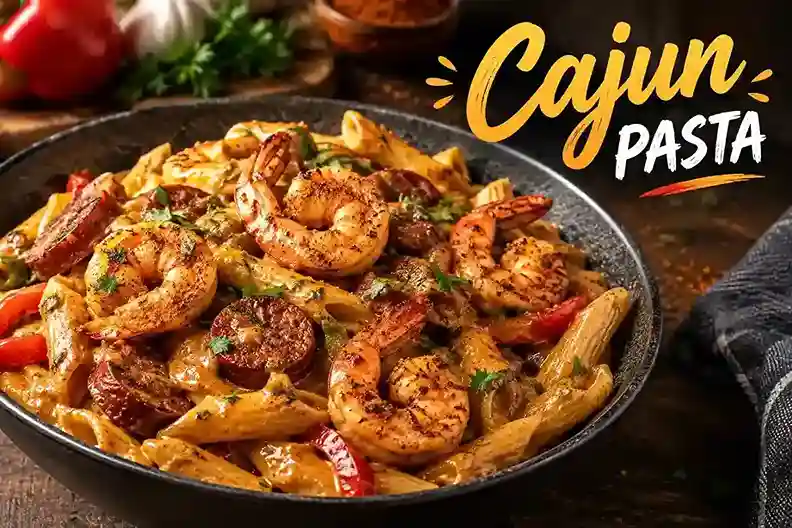
Most Cajun pasta fails in one of two ways. It tastes flat, like cream with a shake of paprika, or it burns so hard nobody finishes the bowl. Both problems come from the same mistake: treating Cajun seasoning as a topping instead of a base. This guide shows you how to build layered flavor, pick the right protein, and rescue a sauce that goes wrong.
What Is Cajun Pasta?
Cajun pasta is a Louisiana-inspired dish of pasta tossed in a creamy, spiced sauce with onion, bell pepper, garlic, and a protein such as shrimp, chicken, or andouille sausage.
Cooks build the flavor in layers. Seasoned meat browns first, vegetables soften in the same pan, and cream plus stock turn the browned bits into sauce.
The result tastes smoky, savory, and warm rather than purely hot. You can adjust the heat without losing the flavor.
Where Does Cajun Pasta Come From?
The dish itself is a modern American creation. Its flavors come from Cajun cooking, the rustic cuisine of Louisiana’s Acadian descendants. French-speaking Acadians settled in south Louisiana after leaving Canada in the 1700s, and they built a food culture around local rice, seafood, pork, and peppers.
Restaurant kitchens later paired those flavors with pasta and cream. No single chef owns the dish.
Many people confuse Cajun and Creole cooking. This table separates them.
| Feature | Cajun Cooking | Creole Cooking |
| Origin | Rural Louisiana | New Orleans |
| Style | Hearty, one-pot, country | Refined, city, European influence |
| Tomatoes | Used sparingly | Used often |
| Typical fat | Lard, oil, butter | Butter, cream |
| Famous dishes | Gumbo (dark roux), boudin, jambalaya | Shrimp Creole, remoulade, red jambalaya |
| Fit for pasta | Spice-forward cream sauce | Tomato-based sauce |
What Ingredients Does Cajun Pasta Need?
Every version of this dish rests on the same building blocks. Use this table as your shopping list.
| Ingredient | Role | Amount (4 servings) |
| Pasta (penne or fettuccine) | Carries the sauce | 12 oz (340 g) |
| Protein (chicken, shrimp, or sausage) | Main flavor and body | 1 lb (450 g) |
| Cajun seasoning | Flavor engine | 2 tbsp |
| Onion, bell pepper, celery | The “holy trinity” aromatic base | ½ cup each, diced |
| Garlic | Sharp, savory depth | 4 cloves |
| Heavy cream | Sauce body | 1½ cups |
| Chicken stock | Loosens and seasons the sauce | ½ cup |
| Parmesan | Salt, umami, thickness | ¾ cup, grated |
| Butter and oil | Browning and richness | 1 tbsp butter, 2 tbsp oil |
| Scallions or parsley | Fresh finish | 2 tbsp, chopped |
What Goes Into Cajun Seasoning?
Cajun seasoning is a dry spice blend, and it decides whether your pasta tastes shallow or full. Store-bought blends vary widely in salt and heat, so a homemade mix gives you control.
Basic homemade blend (makes about ¼ cup):
- 2 tbsp smoked or sweet paprika
- 1 tbsp garlic powder
- 1 tbsp onion powder
- 2 tsp dried oregano
- 2 tsp dried thyme
- 1 tsp black pepper
- ½ to 1 tsp cayenne
- 1½ tsp salt
| Spice | What It Adds |
| Paprika | Color, sweetness, smoke |
| Cayenne | Direct heat |
| Black pepper | Slow, lingering bite |
| Garlic and onion powder | Savory backbone |
| Oregano and thyme | Herbal balance that cuts through cream |
Taste your store-bought blend before you cook. If it tastes very salty, cut the added salt and Parmesan.
Which Protein Works Best in Cajun Pasta?
Your protein sets the character of the dish. Each one cooks differently, so match your timing to the choice.
| Protein | Flavor Result | Cooking Tip | Safe Internal Temp* |
| Chicken breast or thigh | Mild, easy, family-friendly | Slice thin, season, sear 5–6 min | 165°F (74°C) |
| Shrimp | Sweet, quick, classic | Add last, cook 2–3 min until pink | 145°F (63°C) |
| Andouille sausage | Smoky, spicy, fatty | Brown first, then use the rendered fat | 160°F (71°C) if raw pork; fully cooked varieties need reheating through |
| Crawfish tails | Regional, delicate | Stir in at the end, just warm through | 145°F (63°C) |
*Temperatures follow USDA guidance (see Sources).
Cajun shrimp pasta suits weeknights because it finishes in about 25 minutes. Cajun chicken pasta holds up better for meal prep. A mix of chicken and andouille gives the most layered result.
How Do You Make Cajun Pasta Step by Step?
This recipe serves four. Total time is about 35 minutes.
Step 1:
Season the protein. Toss chicken or shrimp with 1 tablespoon of Cajun seasoning. Save the rest for the sauce.
Step 2:
Boil the pasta. Salt the water well. Cook the pasta 1 minute short of the package time. After setting aside one cup of pasta water, drain it.
Step 3:
Brown the protein. Heat the oil in a wide skillet over medium-high heat. Sear the chicken or sausage until golden, then move it to a plate. Leave the browned bits in the pan.
Step 4:
Soften the vegetables. Lower the heat to medium. Cook the onion, bell pepper, and celery for 4–5 minutes. For the final 30 seconds, add the garlic.
Step 5:
Bloom the spices. Stir in the remaining seasoning and the butter for 30 seconds. Heat wakes up the spice oils.
Step 6:
Build the sauce. Scrape the pan after adding the stock. . Add the cream and simmer gently for 4–5 minutes until it coats a spoon.
Step 7
Add the cheese. Take the pan off the heat. Stir in the Parmesan a handful at a time.
Step 8: Combine.
Add the pasta and protein. Loosen the sauce with pasta water, a splash at a time. Add shrimp now if you are using them, and cook until pink.
Step 9:
Finish. Top with scallions. Serve immediately.
Which Pasta Shape Works Best for Cajun Pasta?
Thick cream sauce needs a shape that grabs it. Here is how the common choices compare.
| Shape | Why It Works | Rating |
| Fettuccine | Wide ribbons hold cream | Excellent |
| Penne | Tubes trap sauce and sausage pieces | Excellent |
| Rigatoni | Large ridges, hearty bite | Very good |
| Rotini | Spirals catch spices | Good |
| Spaghetti | Thin strands slip free of the sauce | Fair |
How Do You Control the Heat in Cajun Pasta?
Cayenne is the main heat source, but salt and fat also change how heat feels. Adjust in small steps.
| Heat Level | Cayenne per Batch | Notes |
| Mild | 0 to ¼ tsp | Safe for kids and sensitive eaters |
| Medium | ½ tsp | Warm with a gentle finish |
| Hot | 1 to 1½ tsp | Noticeable burn |
| Very hot | 2 tsp or more | Add sliced hot peppers on the side |
To cool a dish that runs too hot:
- Stir in extra cream or a spoonful of sour cream
- Add a squeeze of lemon juice
- Fold in more cooked pasta to dilute the sauce
- Serve with plain bread or buttered corn
Add heat at the table with hot sauce rather than risking the whole pot.
What Mistakes Ruin Cajun Pasta, and How Do You Fix Them?
Most failures trace back to a handful of causes.
| Problem | Cause | Fix |
| Sauce is thin | Cream not reduced | Simmer 3–4 more minutes; add Parmesan |
| Sauce is greasy or split | Heat too high, too much sausage fat | Whisk in a splash of warm pasta water or cream; drain excess fat next time |
| Tastes flat | Seasoning added only at the end | Bloom spices in butter, and salt each layer |
| Too salty | Salty seasoning plus Parmesan | Add unsalted cream or a squeeze of lemon; reduce salt next time |
| Dry shrimp or chicken | Overcooked | Remove protein early and fold in at the end |
| Gluey pasta | Overcooked noodles | Pull pasta 1 minute early |
| Grainy cheese | Added while the pan was boiling | Take the pan off the heat first |
What Are the Best Cajun Pasta Variations?
Once you know the base method, swap one element at a time.
| Variation | What Changes |
| Lighter version | Half-and-half or evaporated milk instead of heavy cream |
| Dairy-free | Full-fat coconut milk and nutritional yeast |
| Gluten-free | Rice or corn pasta; check the seasoning label |
| Tomato-cream | Add ½ cup crushed tomatoes for a Creole lean |
| Vegetarian | Mushrooms, smoked tofu, and white beans |
| One-pot | Cook raw pasta directly in stock and cream |
| Baked | Top with breadcrumbs and cheese; bake 15 min at 375°F |
Is Cajun Pasta Healthy? Nutrition, Allergens, and Safety
This dish is rich. A typical restaurant portion carries heavy cream and cheese, so calories and saturated fat run high. You can check specific values for your ingredients in the USDA’s FoodData Central database.
Ways to lighten it:
- Use half the cream and add more stock
- Choose chicken or shrimp over sausage
- Add extra vegetables such as zucchini or spinach
- Serve a smaller portion with a green salad
Common allergens in this dish: milk (cream, Parmesan, butter), wheat (pasta), and shellfish (shrimp or crawfish). Read every spice blend label, since some contain anticaking agents or hidden allergens.
Food safety basics: Cook poultry to 165°F and shrimp to 145°F. Refrigerate leftovers within two hours.
How Do You Serve, Store, and Reheat Leftovers?
Serve with:
- Garlic bread or crusty French bread
- A crisp green salad with lemon dressing
- Roasted broccoli or green beans
- A cold lager or sparkling water
Store: Cool the pasta quickly and refrigerate it in an airtight container. Eat within 3 to 4 days.
Reheat: Warm it in a skillet over low heat with a splash of milk or stock. Microwave in short bursts and stir between each one. Heat leftovers to 165°F.
Freeze: Cream sauces can separate when frozen. For best results, freeze the sauce and protein without the pasta, and cook fresh pasta when you reheat.
Your Next Step
You now have the full method: build the seasoning, brown the protein, soften the trinity, bloom the spices, and finish with cream and cheese. Make the recipe once exactly as written, taste at each stage, and note what you would change.
Then tell us how it turned out. Leave a comment with your protein, your heat level, and one tweak you made. Your notes help the next cook get it right the first time.