Food Kindness: A Complete Guide to Sharing Meals and Community
Introduction
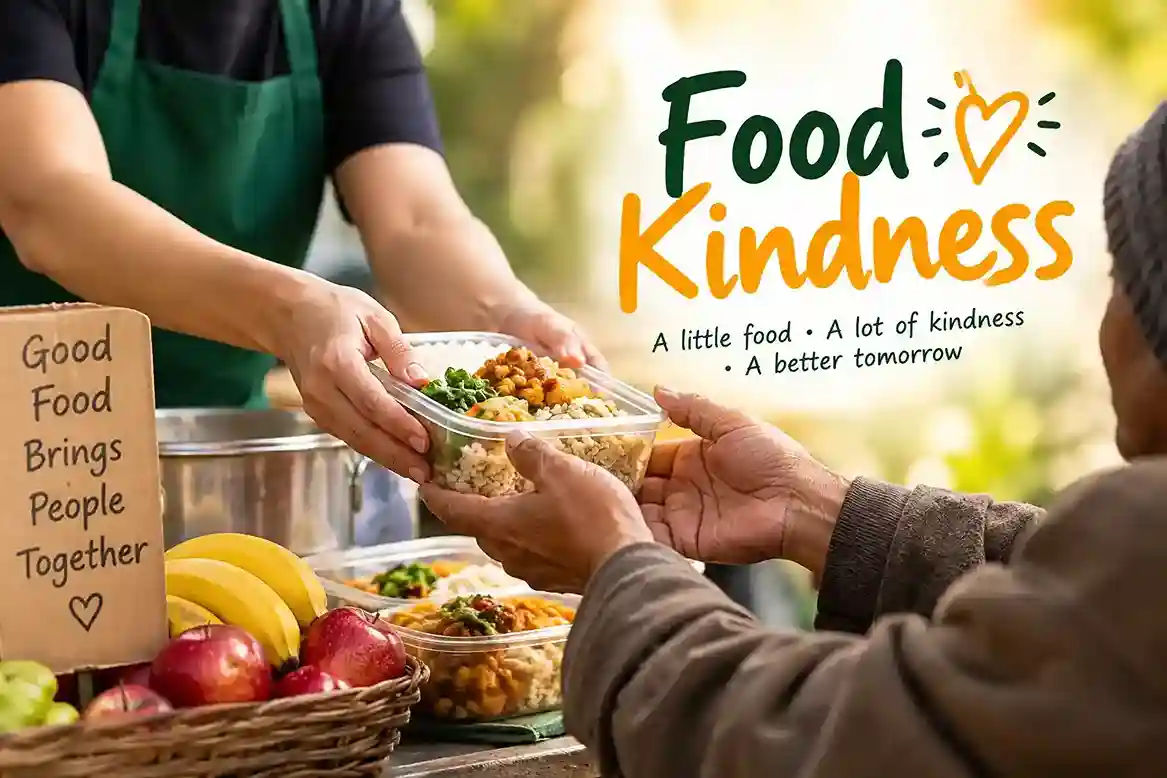
Every meal shared is a bridge built. Food kindness turns simple ingredients into powerful acts of care that nourish both body and spirit. When you cook for a neighbor, donate surplus groceries, or volunteer at a community fridge, you join a global movement. This guide shows you how.
What Is Food Kindness?
Food kindness means using food as a vehicle for compassion. It includes cooking for someone in need, sharing surplus meals, supporting food rescue efforts, or simply offering a warm dish to a friend. The act matters more than the scale.
Food kindness builds connection. It says, “I see you, and you matter.” This simple gesture carries weight far beyond calories.
Why Food Kindness Matters More Than Ever
Global hunger and food waste exist side by side. The Food and Agriculture Organization reports that 13.3% of food produced worldwide is lost between harvest and retail—about 1.31 billion tonnes annually. Fruit and vegetables suffer the highest loss rate at 25.4%.
Meanwhile, millions face food insecurity. Food kindness bridges this gap. It redirects edible surplus to people who need it.
Food kindness also fights climate change. Food loss and waste generate 8 to 10 percent of global greenhouse gas emissions. Every rescued meal reduces methane from landfills.
The Science Behind Food Kindness
Research confirms what our grandmothers knew: cooking for others feels good. A 2026 study in Applied Psychology: Health and Well-Being tracked over 1,500 participants. People reported higher positive affect, greater happiness, and increased self-esteem during prosocial cooking episodes.
The benefits were strongest for introverts. Preparing food for others offers a comfortable path to connection.
Giving also improves physical health. Acts of kindness lower stress hormones and reduce blood pressure. Food kindness becomes medicine for the giver.
Food Kindness in Action: Real-World Examples
Communities worldwide practice food kindness in creative ways.
- Kindness Kitchen in India serves free meals without asking for money—only presence. Naresh and Nirmala Jogu built a space where community bonds through shared food.
- Lasagna Love started during the pandemic when one mother cooked for neighbors. It now operates in the US, Canada, UK, and Australia.
- Chabad’s Kitchen of Kindness delivers kosher meals discreetly to elderly and ill individuals worldwide, replacing soup kitchen lines with home delivery.
- The Soup of Human Kindness in Sydney employs asylum seeker and refugee chefs, providing purpose and belonging through food preparation.
How Food Kindness Reduces Waste and Fights Hunger
The EPA’s Wasted Food Scale ranks food donation as one of the most preferred pathways for managing surplus food. Donating wholesome food ensures it nourishes people rather than rotting in landfills.
Food rescue organizations put this into practice. 412 Food Rescue volunteers save an average of 82 meals per minute, ferrying fresh food from grocery stores to community organizations. Their efforts have mitigated 450 million pounds of CO2 emissions.
Community fridges represent grassroots food kindness. Philadelphia’s network of 40 fridges scales up to meet growing food insecurity. Boston’s fridges operate on the principle: “Take what you need and leave what you can”.
The Psychology of Giving Food
Why does feeding others feel so rewarding? Prosocial behavior activates reward centers in the brain. The act of providing sustenance taps into deep evolutionary instincts.
Food kindness also creates reciprocity. When you feed someone, you build trust. That trust strengthens communities.
The 2026 study found that benefits appear during the act itself, not just afterward. The moment of cooking for another person brings immediate emotional lift.
Food Kindness Across Cultures
Every culture has traditions of food sharing. These practices carry wisdom.
- Thai culture treats food as a communal gift. Volunteers prepare hot meals as acts of merit-making.
- Jewish tradition emphasizes discreet giving. The Kitchen of Kindness model delivers meals without public lines.
- Vietnamese “hanging bread” allows donors to prepay for meals that needy individuals can claim later.
- Latin American “pan colgante” follows the same principle—suspended bread available for anyone hungry.
Simple Acts of Food Kindness You Can Start Today
You don’t need a nonprofit to practice food kindness.
- Cook a double batch of soup or casserole. Share half with a neighbor.
- Offer surplus garden produce to a local food pantry.
- Bake extra bread and deliver it to an elderly community member.
- Donate unopened, unexpired pantry items before they expire.
- Volunteer for one food rescue shift in your area.
- Teach someone to cook a simple, affordable meal.
- Leave a kind note with a meal you share.
Small acts compound. One shared meal can spark a chain of giving.
Food Kindness and Mental Health
Food kindness supports mental well-being for both giver and receiver. For those experiencing food insecurity, a warm meal reduces anxiety and provides dignity.
For the giver, prosocial cooking increases vitality and lowers negative affect. The study noted these benefits were consistent across momentary episodes.
Community food programs also create social connection. Shared meals reduce isolation. They build networks of mutual support.
Building Food Kindness Into Your Community
Want to scale your impact? Start a food kindness project.
Step 1: Identify a need. Talk to neighbors, local shelters, or community centers.
Step 2: Choose a model. Cooking, rescuing surplus, or donating groceries all work.
Step 3: Find partners. Grocery stores, restaurants, and farms often have surplus food.
Step 4: Create a routine. Consistency builds trust and reliability.
Step 5: Involve others. Food kindness multiplies when shared.
Community fridges, little free pantries, and meal trains offer ready-made frameworks.
Food Kindness and Food Rescue Technology
Apps connect surplus food with people who need it. Olio enables 1.7 million users worldwide to give unused food free to neighbors. Lidl GB partners with Olio to redistribute surplus store food.
Too Good To Go offers cut-price meals from restaurants and bakeries. These platforms remove barriers and make food kindness convenient.
Food rescue apps like Food Rescue US use volunteer drivers. They collect from restaurants and markets, delivering directly to hunger relief agencies.
Technology amplifies kindness. It turns surplus into sustenance with a few taps.
The Ripple Effect of Food Kindness
One act creates many outcomes.
| Action | Immediate Impact | Long-Term Ripple |
| Cook for a neighbor | One nourishing meal | Stronger social bond |
| Donate surplus groceries | Reduced food waste | Lower methane emissions |
| Volunteer at a food bank | Meals distributed to families | Improved community health |
| Start a community fridge | 24/7 food access | Neighborhood resilience |
| Teach cooking skills | Self-sufficiency | Generational food security |
Food kindness ripples outward. A single meal can inspire others to give. Communities grow stronger when sharing becomes normal.
Frequently Asked Questions
What is food kindness?
Food kindness is using food as an act of compassion. It includes cooking for others, sharing surplus meals, donating groceries, or volunteering for food rescue. The goal is nourishing people and building connection.
How does food kindness reduce waste?
Food kindness redirects edible surplus from landfills to people. The EPA ranks donation as a top pathway for managing wasted food because it uses food for its intended purpose: nourishing people. This reduces methane emissions and conserves resources.
Is food kindness only for charities?
No. Anyone can practice food kindness. Cooking an extra portion for a neighbor, sharing garden produce, or donating pantry items are all simple acts. You do not need an organization to make a difference.
What are the mental health benefits of food kindness?
Cooking for others increases positive affect, happiness, and self-esteem. A 2026 study found these benefits occur during the act itself, with strongest effects for introverts. Giving also lowers stress and creates social connection.
How can I start a food kindness project?
Identify a need in your community. Choose a model—cooking, rescuing, or donating. Find partners with surplus food. Create a consistent routine. Involve others to multiply your impact. Community fridges and meal trains offer simple starting points.
Does food kindness actually make a difference?
Yes. Food rescue volunteers save 82 meals per minute on average. Community fridges feed neighborhoods 24/7. Every shared meal reduces waste and builds connection. Small acts compound into significant change.
Conclusion:
Food kindness starts with a simple decision. Cook one extra portion. Share what you have. Volunteer one hour. The act itself carries power.
You now know the science, the examples, and the tools. The only step left is yours. Choose one act of food kindness this week. Then share your experience with someone else. Kindness grows when it is passed on.