Conquer Constant Fatigue with Nature’s Answer: A Deep Dive into Foods High in Iron
Introduction
That dragging feeling you can’t shake off might not be just a busy schedule. Pale skin, brittle nails, and brain fog often whisper a silent truth your body already knows: your iron reserves are depleted. This isn’t about swallowing a metallic-tasting supplement as a quick fix. I’ve spent years counseling clients on rebuilding vitality through their plates. This guide hands you a precise map to 30 iron-rich whole foods, shows you exactly how to prepare them, and reveals the surprising meal pairings that can double your energy returns. Stop guessing; start restoring your spark with every bite.
The Iron Gap: Why Your Body Demands This Mineral
Iron forms the core of hemoglobin, a protein inside red blood cells that hauls oxygen from your lungs to every corner of your body. Without enough stored iron, your system struggles to produce healthy oxygen carriers. The result is a condition called iron-deficiency anemia, marked by exhaustion, lightheadedness, and a rapid heartbeat. Menstruating women, pregnant individuals, growing children, and plant-based eaters face a much steeper climb in maintaining optimal levels. Restoring iron isn’t a random act of eating spinach; it demands a strategic blueprint focused on two distinct chemical forms found in your kitchen.
Heme vs. Non-Heme: A Critical Distinction for Absorption
Your gut treats not all iron equally. Understanding the dual pathways of dietary iron changes how you build a meal.
- Heme Iron: This type comes from hemoglobin and myoglobin in animal flesh. Your body absorbs it efficiently, typically at a rate of 15% to 35%. You’ll find it in red meat, poultry, and seafood.
- Non-Heme Iron: This type dominates plant foods, eggs, and dairy. Your body absorbs it at a lower rate of 2% to 20%, heavily influenced by other foods you eat during the same meal.
The secret weapon? You can dramatically crank up the absorption of non-heme iron by pairing it with specific enhancers while keeping iron-blocking foods an hour away from your main meal.
30 Potent Foods High in Iron to Fuel Your Day
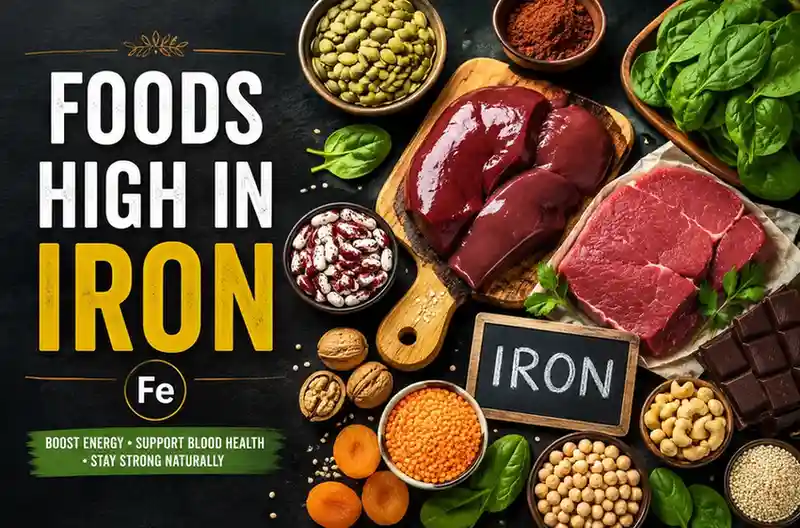
Below sits a curated table of heavy hitters ranked by iron density. Use this as your grocery store cheat sheet to rebuild your ferritin stores effectively.
| Food Category | Specific Food | Iron Content (mg) | Serving Size | Iron Type |
| Offal | Chicken Liver | 11.0 mg | 100g (cooked) | Heme |
| Seafood | Oysters | 9.2 mg | 100g (3.5 oz) | Heme |
| Red Meat | Lean Beef Steak | 2.7 mg | 100g (3.5 oz) | Heme |
| Seeds | Pumpkin Seeds | 8.8 mg | 1 cup (64g) | Non-Heme |
| Legumes | White Beans | 6.6 mg | 1 cup (cooked) | Non-Heme |
| Dark Chocolate | 85% Cacao Bar | 3.4 mg | 1 ounce (28g) | Non-Heme |
| Vegetables | Cooked Spinach | 3.6 mg | 1 cup (180g) | Non-Heme |
| Grains | Fortified Oatmeal | 6.3 mg | 1 cup (cooked) | Non-Heme |
| Legumes | Firm Tofu | 3.0 mg | 100g (3.5 oz) | Non-Heme |
| Meat | Turkey Leg | 2.3 mg | 100g (cooked) | Heme |
Mastering Absorption: The Enhancer and Blocker Cheat Sheet
Eating foods high in iron solves only half the puzzle. The other half relies on the chemical environment you create in your digestive tract. Applying this science prevents wasting the nutrients on your fork.
Vitamin C: The Conversion Catalyst
Ascorbic acid grabs non-heme iron and transforms it into a form that crosses the intestinal wall smoothly. Just 50mg of Vitamin C—about half an orange—can triple absorption rates.
- Action: Squeeze lemon over lentil soup. Toss bell pepper strips into a spinach salad. Finish a bean burrito with fresh tomato salsa.
The Tannin and Calcium Trap
Certain compounds bind to iron and escort it out of your body unused. Coffee, black tea, and red wine contain tannins that can slash absorption by 60% or more. Calcium in dairy supplements and antacids competes fiercely for the same uptake channels.
- Action: Drink your morning coffee two hours apart from your iron-rich lunch. Avoid topping your steak with a heavy cream sauce if your goal is maximum iron uptake.
Soaking and Sprouting: The Anti-Nutrient Remedy
Phytates in whole grains and legumes naturally guard the plant against pests, but they also lock away minerals like zinc and iron. Soaking oats, brown rice, or chickpeas overnight breaks these compounds down.
- Action: Choose traditionally prepared sourdough or overnight-soaked oatmeal to unlock the iron trapped in the grain.
Meat, Seafood, and Eggs: The Heme Arsenal
Animal-based sources of iron bypass the absorption hurdles that plant foods face. The high bioavailability of heme iron makes these foods critical for anyone with severe deficiency or chronic fatigue.
The Power of Organ Meats
Organ meats often top the density charts by a landslide. A modest portion of chicken liver pâté delivers more absorbable iron than a massive bowl of raw kale. Beef kidney and heart offer a less intense flavor profile for those new to offal. Sear chicken livers in butter with a diced shallot until just pink inside to avoid a rubbery texture. Limit consumption to once a week to avoid Vitamin A overload.
Shellfish: Nature’s Concentrated Supplement
Oysters, clams, and mussels pack a stunning mineral punch. Six medium Pacific oysters deliver a full day’s supply of iron alongside a dose of B12 that fires up nerve function. Canned smoked oysters work as a shelf-stable pantry bomb to toss onto crackers or blend into seafood chowder. Cook clams with garlic, white wine, and a pinch of chili flakes for a five-minute broth that floods your system with hemoglobin-building nutrients.
Red Meat and the Ruminant Advantage
Beef, bison, and lamb supply zinc and B-complex vitamins alongside heme iron. Ground bison offers a leaner route than beef while maintaining that deep, mineral-rich flavor. Sear a flat iron steak until medium-rare; heavy char and overcooking can oxidize fats and dry out the cellular structure holding the minerals.
Poultry and the Dark Meat Rule
Chicken breast rarely moves the needle on iron. Shift your attention to the dark, exercised muscles. Roasted turkey legs and braised chicken thighs supply significantly more heme iron than white cuts. Braise bone-in thighs with apricots and a touch of turmeric—the acidity of the fruit boosts the already-available heme content.
Eggs: The Paradox of the Yolk
Egg yolks hold a notable amount of non-heme iron masked by a phosvitin protein that restricts absorption. A whole egg fried in a cast-iron skillet can leach additional iron into the scramble. Pair fried eggs with a vitamin C-rich smoothie on the side to unlock the mineral trapped by the yolk’s binding protein.
Plant-Based Powerhouses: Non-Heme Heavyweights
Plant-centric eating requires a smarter assembly line of ingredients. Vegetarians and vegans experience double the daily iron requirements of meat-eaters because of lower absorption rates. Strategic combinations turn beans and greens into a ferritin factory.
Legumes and Pulses: The Daily Drivers
Lentils, chickpeas, and soybeans form the backbone of a high-iron plant diet. One cup of cooked lentils clocks in at 6.6 mg, surpassing many meat portions. Edamame serves as a complete protein with an iron edge.
- Smart Move: Blend cooked red lentils into a tomato-basil soup. The tomato’s Vitamin C cracks open the lentil’s mineral stores.
Seeds and Nuts: Small Size, Massive Impact
Pumpkin seeds, sesame seeds (tahini), and hemp hearts demand a spot in your daily rotation. Sprinkle a toasted seed mix over roasted vegetables or blend tahini with lemon and garlic for a dressing that actively treats anemia. Cashews and pine nuts supply backup copper, a trace mineral required for iron mobilization.
Dark Leafy Greens and the Cooking Mandate
Popeye’s creators missed the mark by showing him gulping raw spinach. Oxalic acid in raw spinach blocks the absorption of its iron. A light steam or sauté deactivates oxalates, converting spinach, Swiss chard, and beet greens into bioavailable superfoods. Sauté chopped chard stems and leaves with garlic and a splash of apple cider vinegar to dissolve the plant walls and free the inner cargo of iron.
The Cereal and Grain Strategy
Modern breakfast cereals fortify with elemental iron, but whole food grains also contribute. Teff, an ancient Ethiopian grain, acts as a nutritional seed that feeds the gut microbiome while delivering iron for blood building. Amaranth and spelt offer alternatives to modern wheat that has been drained of its mineral-rich germ.
Cooking Vessels and Techniques That Add Iron
Your cookware can act as an iron supplement dispensing trace amounts into acidic food. The classic cast-iron skillet releases small particles of elemental iron, especially when cooking something wet and tangy.
- The Tomato Test: A slow-simmered tomato sauce in a well-seasoned cast-iron pot can absorb a measurable jump in iron content—sometimes up to 5 mg per serving.
- The Acid Trigger: Cooking apple sauce or rhubarb in cast iron draws out more minerals than cooking a dry steak.
- Non-Reactive Note: Stainless steel and enameled surfaces do not share this benefit. Preserve this effect by scrubbing cast iron lightly and avoiding soap that strips the seasoned layer.
Daily Meal Strategy: An Iron-Optimized Day of Eating
Translating science into actual meals prevents decision fatigue. This sample menu pushes heme and non-heme sources together with Vitamin C activators for a net absorption victory.
- Breakfast: A bowl of slow-cooked oatmeal (soaked overnight, water discarded) topped with toasted pumpkin seeds, a chopped kiwi fruit, and a drizzle of blackstrap molasses (1 tablespoon supplies 20% of daily iron).
- Mid-Morning Snack: Two squares of 85% dark chocolate alongside a fresh tangerine.
- Lunch: A warm quinoa bowl loaded with shredded roast turkey leg, braised kale, roasted red peppers, and a zesty mango-lime vinaigrette. No coffee within two hours.
- Afternoon Snack: A handful of dried apricots and raw cashews, plus a glass of guava nectar.
- Dinner: Pan-seared beef liver (or bison steak) with a side of whipped sweet potatoes and a strawberry-balsamic glaze.
Recognizing an Iron Drain Before a Crisis Hits
Food alone may fail if you ignore invisible losses. Heavy menstrual cycles often create a chronic drain that dietary iron struggles to outpace. Gastric bypass surgery, celiac disease, or chronic use of proton pump inhibitors for acid reflux drastically reduce the stomach acid needed to cleave minerals from protein. Frequent blood donation and extreme endurance training—where foot-strike hemolysis crushes red blood cells—demand a sharp increase in dietary target numbers. If you’ve corrected your diet yet still feel hollowed out, push your doctor to run a full iron panel, not just hemoglobin. Ferritin values below 30 ng/mL signal depleted reserves even without full-blown anemia.
Frequently Asked Questions
Q: Which fruit best unlocks iron from a plant-based meal?
A: Guava claims the throne. A single cup delivers 377 mg of Vitamin C, utterly dwarfing an orange. Kiwi, papaya, and strawberries follow as heavy activators capable of turning a lentil salad into a blood-building powerhouse.
Q: Do I need to worry about iron overload from food alone?
A: A healthy body naturally throttles non-heme absorption in the gut if stores are full. Hemochromatosis, a genetic condition removing this safety brake, makes even normal food risky. Food-only toxicity in a normal person remains exceptionally rare, unlike supplement-based overload.
Q: Can a daily cup of green tea wipe out my iron progress?
A: Drinking strong green tea alongside a grass-fed steak instantly binds the iron while it sits in your stomach. Separating tea time by a full two-hour window from your main iron meal preserves absorption and still lets you enjoy the antioxidant benefits of the leaves.
Q: Is cooking in a cast-iron skillet just a folk myth?
A: It’s quantifiable chemistry. Researchers found that a simmered pasta sauce in cast iron contained nearly three times the iron of the same sauce cooked in a non-iron pan. The effect amplifies with longer cooking times and higher acidity.
Q: Does spinach truly offer the most iron among greens?
A: Spinach remains high on paper but carries a high oxalate wall. A study published in the Journal of Agricultural and Food Chemistry demonstrates that Swiss chard and beet greens offer a better accessible percentage because fewer tannins bind the minerals. Always cook your greens.
Q: Which age group faces the highest risk of deficiency from poor diet?
A: Toddlers switching to cow’s milk quickly deplete stores, as milk is a poor iron source and can cause microscopic gut bleeding. Adolescent girls entering menstruation while pursuing restrictive eating stand on the sharp edge of a deficiency cliff without careful meat or legume inclusion.
Authoritative References
- National Institutes of Health, Office of Dietary Supplements. Iron: Fact Sheet for Health Professionals. (Updated 2023).
- Hurrell R, Egli I. Iron bioavailability and dietary reference values. American Journal of Clinical Nutrition. 2010;91(5):1461S-1467S.
- Geerlings P, et al. Cast iron cooking and its contribution to dietary iron intake. Journal of the American Dietetic Association. 1986;86(2):242-244.
Final Thought
Escaping the gravity of fatigue demands more than reading a list; it demands wielding it. You now hold the blueprint to fill your cart with chicken livers, oysters, blackstrap molasses, and pumpkin seeds while weaponizing a simple squeeze of lemon. Pick three foods from the table above that you genuinely enjoy, buy them this week, and pair each with a bright, acidic fruit. The fog starts lifting the moment oxygen moves freely through your blood again. Make a cast-iron skillet your next kitchen investment, and watch your energy return to levels you thought you’d lost forever.