The Ultimate Guide to Goat Food: Building a Diet for Health and Productivity
Introduction
Watching your goat suffer from bloating, weight loss, or poor milk yield is frustrating. The root cause usually isn’t a lack of care—it is a lack of precise nutrition. Feeding goats is not guesswork; it is a science. This guide provides the exact breakdown of necessary nutrients, forage types, and grain ratios to turn your struggling herd into a thriving one.
Understanding the Unique Digestive System of Goats
Goats are ruminants, which means they possess a four-chambered stomach designed to process tough plant matter. Unlike simple-stomach animals, goats rely on a symbiotic relationship with billions of microbes in their rumen.
These microbes break down cellulose from forage and turn it into energy. You are not just feeding the goat; you are feeding the microbial population in the gut. A sudden change in goat food kills these microbes, leading to toxicity or starvation. Consistency is the most critical factor in goat nutrition.
Forage: The Foundation of All Goat Food
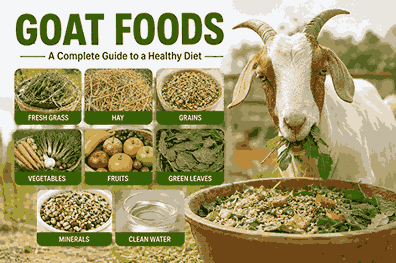
Forage should make up the bulk of the diet, approximately 70-80%. This includes hay, pasture, and browse.
1. Browse and Pasture
Goats are natural browsers, not grazers like cows. They prefer eating leaves, brush, and woody plants over grass. A diverse pasture with bushes, weeds, and trees provides the most balanced diet. If your pasture is only grass, your goats are missing out on essential nutrients.
2. Hay: The Winter Staple
When pasture is unavailable, high-quality hay becomes the primary goat food.
- Alfalfa Hay: High in protein and calcium. Excellent for dairy goats, growing kids, and pregnant does.
- Grass Hay (Timothy, Orchard): Lower in protein but high in fiber. Good for maintenance and wethers (castrated males) to prevent urinary calculi.
- Moldy Hay: Never feed moldy hay. It causes listeriosis and fatal digestive issues.
Concentrates and Grains: The Energy Boosters
Grain is a supplement, not a primary meal. Overfeeding grain is the leading cause of bloat and enterotoxemia in goats.
Whole Grains vs. Pellets
Pellets are often the superior goat food for consistency. They prevent goats from sorting out ingredients they dislike, ensuring every bite has a balanced vitamin and mineral profile. Whole grains like corn and oats are cheaper but can be dusty and less nutritionally complete.
When to Feed Grain
- Lactating Does: They need extra energy to produce milk.
- Growing Kids: They need protein to build muscle.
- Cold Weather: Digestion of grain generates body heat.
The Critical Role of Minerals in Goat Food
Goats cannot thrive on forage and hay alone. They require loose minerals specifically formulated for goats—never sheep minerals.
Copper: The Essential Element
Goats have a higher requirement for copper than sheep. Copper deficiency in goats leads to faded coats, anemia, and weak immune systems. Always provide free-choice loose minerals high in copper.
Selenium
In many regions, soil is deficient in selenium. This mineral is vital for reproduction and muscle health. White muscle disease in kids is a direct result of selenium deficiency. An injectable gel or mineral block containing selenium can save lives.
Water: The Most Overlooked Nutrient
Water is the cheapest and most important goat food. A lactating doe can drink up to four gallons of water per day. In winter, goats refuse ice-cold water, leading to dehydration and reduced feed intake. Heated water buckets are non-negotiable for healthy winter herds.
Seasonal Feeding Strategies for Goats
Your feeding strategy must change with the weather.
Spring: This is the danger zone for bloat. Lush, wet grass is low in fiber and high in sugar. Transition slowly by feeding dry hay before turning goats out on pasture. The dry hay fills the rumen, preventing them from gorging on wet grass.
Summer: Provide shade and ensure minerals stay dry. Goats eat less during extreme heat; focus on feeding during the coolest parts of the day.
Fall: Breeding season. Flush does (increase their grain intake) a few weeks before breeding to increase ovulation rates. Ensure bucks are on a high-quality diet to maintain fertility.
Winter: Gestation and kidding. The last six weeks of pregnancy see a massive spike in nutritional demand. Increase protein and calcium intake to support fetal growth and milk production.
Common Dietary Mistakes (And How to Fix Them)
- The Grain Trap: Feeding too much corn. Corn is “hot” feed. It causes rapid fermentation, leading to acidosis. Switch to oats or barley for safer energy.
- Ignoring Body Condition: You should be able to feel the ribs with light pressure, but not see them. If you can see ribs, you need more protein in the goat food. If you cannot feel ribs, reduce grain immediately.
- Spoiled Feed: Storing grain in metal bins in the sun creates condensation and mold. Store feed in a dry, rodent-proof container.
Toxic Plants: The Hidden Dangers in the Pasture
While goats are smart, hungry goats eat things they shouldn’t.
Common Toxic Plants to Eradicate:
- Rhododendron & Azaleas: Fatal cardiac glycosides.
- Cherry Leaves: Especially when wilted, contain cyanide.
- Nightshade: Causes severe neurological distress.
Always walk your pasture in the spring to identify and remove these threats before your goats do.
Goat Food by Life Stage
- Baby Kids (0-8 weeks): Colostrum is vital for immunity. Then transition to milk or high-quality milk replacer. They can start nibbling hay at two weeks old.
- Weanlings (2-6 months): High protein (16-18%) feed to maximize growth.
- Adult Maintenance: Good hay and minerals. Maybe half a cup of grain daily if they look thin.
- Senior Goats: Older goats often lose teeth. They need a soft, highly digestible diet like soaked beet pulp or alfalfa pellets to maintain weight.
The Impact of Nutrition on Milk Flavor
The food you give your goats directly impacts the taste of the milk in your coffee. Feeding cabbage, onions, or strong weeds like wild garlic will result in milk that tastes exactly like those plants. If your goat gets into the onion patch, expect onion-flavored ice cream. Feed clean, sweet hay and a consistent grain mix to ensure sweet, creamy milk.
Building a Year-Round Feeding Schedule
To simplify your management, use this table as a baseline for one mature goat.
| Season | Base Forage | Supplement | Special Considerations |
| Spring | Pasture/Browse | Low (Watch Weight) | Feed dry hay first to prevent bloat. |
| Summer | Pasture/Hay | Loose Minerals | Ensure constant water supply. |
| Fall | Hay | Grain Increase | Flush does for breeding season. |
| Winter | High-Quality Hay | High Protein Grain | Warm water available 24/7. |
(Source: Langston University Agricultural Research)
Frequently Asked Questions (FAQs)
1. What is the best grain for goats?
Whole oats are generally the safest grain for goats. They provide energy without the high heat of corn. For milking does, a 16% protein dairy ration pellet is the best goat food for maintaining body weight while producing milk.
2. Can goats eat bread?
While goats can eat bread, it is not good goat food. Bread is highly processed and can lead to bloating and acidosis. It is “junk food” that fills them up without providing the necessary fiber or minerals. Avoid it.
3. Why is my goat eating dirt?
Eating dirt is a sign of mineral deficiency. Your goat is trying to source minerals missing from its diet. Ensure you are providing loose goat minerals (not a block, which they cannot bite effectively) rich in copper and selenium.
4. How much hay does a goat eat per day?
A mature goat will eat roughly 2 to 4 pounds of hay per day. This equals about 3% of their body weight. Cold weather and lactation increase this requirement significantly.
5. Do goats need food at night?
Yes. Goats are ruminants and their stomachs ferment food constantly. They should have access to hay overnight to keep the rumen functioning and to generate body heat during cold nights.
6. Can goats eat poison ivy?
Yes, goats can eat poison ivy without issue. In fact, they love it. This makes them excellent biological control for invasive weeds. However, if they eat it, the urushiol oil can transfer to their fur, so be careful when petting them afterward.
Conclusion
Stop guessing and start observing. Your goats will tell you if their diet is working through their coat shine, energy levels, and milk production. Take one step today: check your mineral feeder. If it is empty, or if you are using a sheep block, fix that first. Once the minerals are sorted, audit your hay quality. A healthy herd is built one bite at a time—make sure every bite counts.