High-Protein Foods: Your Complete Guide to Fueling a Stronger Body
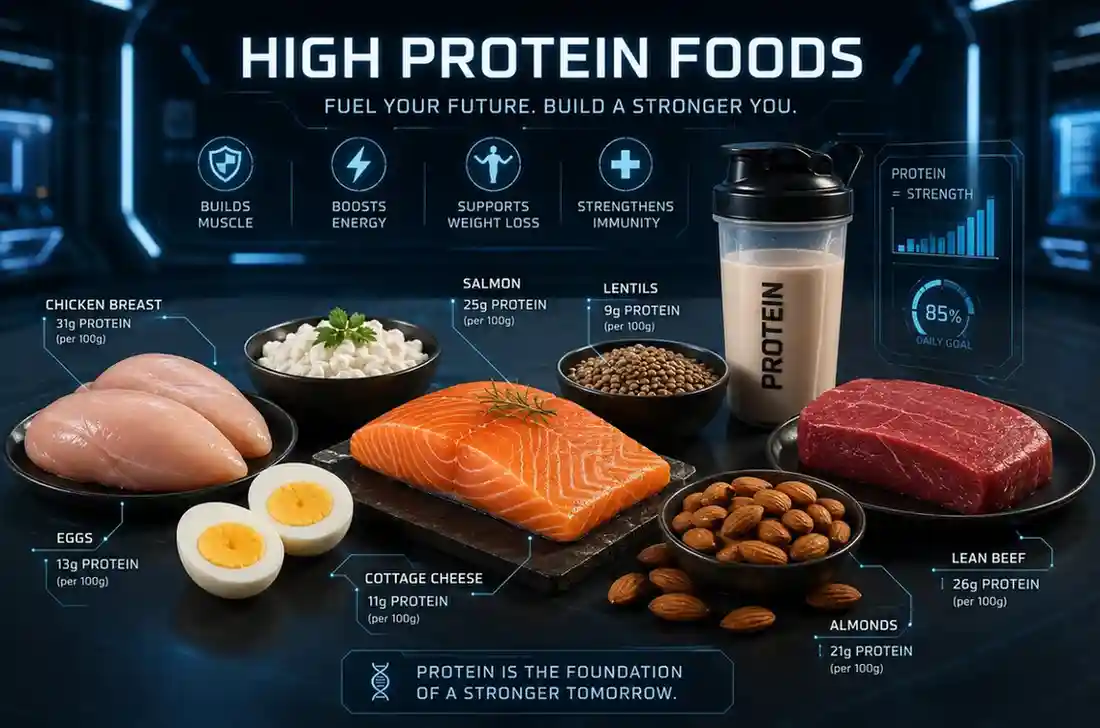
Stop guessing about your diet. You feel sluggish by 2 PM, your workouts feel weak, and the scale won’t move. That constant hunger is a signal. Your body is asking for better fuel. High-protein foods are the real, tangible answer to crushing cravings, sharpening focus, and building a resilient body. Forget complex diet rules. This guide cuts through the noise, showing you exactly how to use nature’s most satisfying nutrient. You will learn what to eat, when to eat it, and how to make it taste incredible.
What Makes High-Protein Foods the Foundation of a Healthy Diet?
Protein supplies the amino acids that serve as the building blocks for every cell in your body. Unlike carbohydrates or fats, your body doesn’t store protein, making daily intake essential. A meal rich in high-protein foods triggers satiety hormones, signaling to your brain that you are full and satisfied. This natural process reduces the urge to snack on processed items, stabilizing your energy levels throughout the day. According to research from the Harvard T.H. Chan School of Public Health, adequate protein consumption protects lean muscle mass and supports healthy aging at a cellular level. [Source: Harvard T.H. Chan School of Public Health, The Nutrition Source – Protein]
The Role of Amino Acids and Satiety
Proteins break down into amino acids, which repair tissue, create enzymes, and transport nutrients. Complete high-protein foods contain all nine essential amino acids your body cannot produce alone. When food reaches your small intestine, protein triggers the release of cholecystokinin, a hormone that slows gastric emptying. This keeps food in your stomach longer, physically curbing your appetite. The thermic effect of protein is also higher than that of carbs or fats, meaning your body actually burns more calories digesting a chicken breast than a slice of white bread.
A Complete List of Nutrient-Dense High-Protein Foods
Building your meals around a variety of sources prevents boredom and ensures a broad spectrum of micronutrients. Lean meats, fatty fish, dairy, and plant options each offer unique benefits beyond their amino acid profiles. Rotating your high-protein foods prevents you from developing intolerances to a single source. Use this list to diversify your grocery cart and fuel your body with intention.
Lean Meats and Poultry
Skinless chicken breast ranks as the go-to option for lean muscle repair, offering about 31 grams of protein per 100 grams. Turkey breast is just as potent, providing selenium for thyroid function alongside its protein punch. Lean cuts of beef, such as sirloin or eye of round, deliver iron and zinc that directly support oxygen transport and immune defense. Pork tenderloin, often overlooked, stands as one of the most protein-dense cuts available while remaining surprisingly lean. Venison, bison, and other game meats offer incredible richness in flavor with a lower fat profile than traditional farmed meats.
Seafood and Fatty Fish
Wild-caught salmon offers a dual benefit: complete protein and long-chain omega-3 fatty acids that actively reduce systemic inflammation. Canned sardines are a shelf-stable powerhouse, packing calcium from their soft, edible bones and a massive dose of vitamin B12. Tuna steaks or canned light tuna in water provide a convenient, cost-effective protein source for quick meals. Shellfish like shrimp and scallops are almost pure protein, with shrimp delivering a generous amount of the antioxidant astaxanthin. Cod and halibut are lean white fish that provide a neutral-flavored canvas for strong spices and sauces, keeping your meals interesting.
Eggs and Dairy Products
The humble egg remains the gold standard for protein quality, scoring a perfect 100 on the biological value scale. Greek yogurt, strained to remove liquid whey, concentrates the protein to nearly double that of regular yogurt while providing gut-healing probiotics. Cottage cheese, particularly the low-fat variety, is a slow-digesting protein favorite, making it an ideal option before sleep to fuel overnight muscle repair. Hard cheeses like Parmesan pack a surprising protein density per ounce, along with calcium for bone density. Milk, both dairy and high-protein soy milk, provides a liquid matrix of casein and whey that is rapidly absorbed post-exercise.
Plant-Based Power Players
Lentils are not just a fiber superstar; they deliver a substantial 18 grams of protein per cooked cup, along with folate for cellular repair. Chickpeas and their flour (besan) serve as versatile bases for curries, stews, and even high-protein flatbreads. Tofu, made from soybean curds, acts as a flavor sponge, absorbing marinades while supplying all essential amino acids in a complete package. Tempeh, a fermented soy product, offers a nuttier flavor, a firmer bite, and enhanced digestibility due to the fermentation process. Edamame, simply boiled soybeans, is a perfect snack that combines protein with fiber and potassium.
Detailed Nutritional Table of High-Protein Foods
| Food Item | Protein (per 100g) | Key Supporting Entity | Best Use Case |
| Chicken Breast (skinless) | 31g | Niacin, Selenium | Post-workout muscle repair |
| Atlantic Salmon (wild) | 25g | Omega-3 (EPA/DHA) | Anti-inflammatory dinner |
| Greek Yogurt (plain, 0%) | 10g | Calcium, Probiotics | Breakfast or overnight snack |
| Red Lentils (cooked) | 9g | Polyphenols, Fiber | Plant-based stew base |
| Firm Tofu | 8g | Isoflavones, Manganese | Stir-fry or scrambled texture |
| Large Eggs (whole) | 13g | Choline, Lutein | Anytime quick meal |
| Beef Sirloin (lean) | 26g | Heme Iron, Zinc | Athletic recovery |
How High-Protein Foods Support Weight Management
The battle against body fat is often won or lost in the kitchen, not the gym. High-protein foods shift the hormonal balance in your favor, reducing ghrelin, the hunger hormone, while boosting peptide YY, which signals satisfaction. A study published in The American Journal of Clinical Nutrition confirmed that increasing dietary protein intake leads to spontaneous calorie reduction without active restriction. This metabolic advantage prevents the dreaded weight regain that plagues crash dieters. [Source: The American Journal of Clinical Nutrition, Protein, weight management, and satiety]
The Thermic Effect and Metabolic Rate
Digesting food requires energy, a phenomenon called diet-induced thermogenesis. Protein has a thermic effect of 20-30%, compared to 5-10% for carbs and 0-3% for fats. This means eating a 300-calorie chicken salad burns up to 90 calories just through digestion. During weight loss phases, high-protein foods preserve fat-free mass, maintaining a higher resting metabolic rate. A person with more lean muscle burns more calories at rest than someone of the same weight with less muscle.
Top High-Protein Foods for Effective Muscle Building
Resistance training creates micro-tears in muscle fibers. High-protein foods provide the leucine, a branched-chain amino acid, that flips the switch for muscle protein synthesis. Without adequate dietary protein, you will leave gym gains on the table, no matter how hard you train. Consuming 20-40 grams of quality protein within two hours of exercise maximizes the anabolic response.
Pre- and Post-Workout Nutrition Timing
Your muscles are primed for nutrient uptake immediately following a workout, a window often called the “anabolic window.” A combination of rapidly digesting high-protein foods and simple carbohydrates refuels glycogen and repairs tissue faster than protein alone. Eggs and toast, a whey protein shake with a banana, or tuna on white rice are practical, effective options. For pre-workout meals, focus on moderate protein with low fat and fiber to prevent digestive discomfort while providing sustained amino acid delivery. Chicken breast with white potato or a small serving of cottage cheese with pineapple work effectively here.
Delicious High-Protein Foods for a Plant-Based Diet
Thriving on a plant-based diet requires a deeper understanding of food combinations, not a compromise on results. The myth that plant foods are incomplete persists, but eating a varied diet of legumes, grains, and nuts throughout the day provides a full spectrum of amino acids. High-protein foods from plants come naturally packaged with fiber, antioxidants, and phytonutrients absent from meat.
Complete Protein Combinations
Quinoa stands alone as a complete protein seed, but you can easily create complete profiles. The classic pairing of rice and beans delivers a full amino acid load, with the methionine in rice complementing the lysine in beans. Hummus (chickpeas and tahini) served with whole-wheat pita creates a similarly powerful protein matrix. Soy products like tofu, tempeh, and edamame require no special pairing, as they contain all essential amino acids. Hemp seeds, pumpkin seeds, and chia seeds are incredibly dense protein sources that require zero cooking.
Kitchen Shortcuts: Quick High-Protein Foods for Hectic Days
A packed schedule destroys the best dietary intentions. The key is staging your environment with high-protein foods that require less effort than a drive-thru. Rotisserie chicken from the grocery store stands as a pre-cooked, whole-food base for soups, salads, or wraps. Pre-hard-boiled eggs, pre-grilled chicken strips, and frozen edamame pods eliminate prep work entirely. Canned skipjack tuna pouches don’t even need draining and can be eaten straight from the pack over a bag of salad greens.
No-Cook Assembly Meals
A high-protein plate doesn’t need a hot stove. Combine cottage cheese, sliced peaches, and a sprinkle of sunflower seeds in a bowl. Layer deli-sliced turkey breast around pickle spears with a swipe of mustard for a savory, crunchy roll-up. Grab a protein shake made from milk, a scoop of whey or pea protein, and a spoonful of peanut butter. Overnight oats mixed with chia seeds and Greek yogurt sit in the fridge, creating a thick, filling pudding by morning. Block cheese, apple slices, and a handful of almonds form an adult “Lunchable” that rivals any protein bar in quality.
Understanding Daily Requirements for High-Protein Foods
Generic guidelines often undershoot what an active person truly needs. The Recommended Dietary Allowance (RDA) of 0.8 grams per kilogram of body weight is a survival level aimed at preventing deficiency, not optimizing performance. For active individuals, athletes, and those focused on body recomposition, research from the International Society of Sports Nutrition recommends a range of 1.4 to 2.0 grams per kilogram of body weight. [Source: Journal of the International Society of Sports Nutrition, Protein Position Stand]
Customizing Intake for Age and Lifestyle
Aging bodies develop anabolic resistance, meaning older adults require higher per-meal protein doses to stimulate muscle synthesis equally to their younger counterparts. A 65-year-old might need 35-40 grams of protein per meal, compared to 20-25 grams for a 25-year-old. During pregnancy, the demand for the amino acid lysine surges to support fetal development, requiring an intentional increase in high-protein foods. During illness or post-surgery recovery, protein becomes a therapeutic nutrient, accelerating wound healing and immune cell production.
Smart Snacking: Portable High-Protein Foods to Crush Cravings
The vending machine preys on your afternoon energy dip. Carrying portable high-protein foods creates a firewall between your hunger and a bad decision. Dry-roasted edamame offers a crispy, savory crunch with 14 grams of protein per ounce. Turkey jerky or biltong provides a shelf-stable, chewy snack with intense flavor and minimal sugar, unlike many gas station meat sticks. Single-serving Greek yogurt cups freeze solid and thaw by snack time, keeping everything cool in your bag.
Sweet vs. Salty Fixes
When craving something salty, skip the chips and grab dry-roasted chickpeas tossed with paprika and sea salt. A mix of peanuts, almonds, and roasted pumpkin seeds satisfies the mouthfeel of a snack mix with better fats and protein. When a sweet tooth hits, a high-protein foods smoothie made with frozen berries, Greek yogurt, and a dash of vanilla extract tastes like dessert. Ricotta cheese drizzled with honey and sprinkled with dark chocolate shavings provides creaminess, sweetness, and a significant casein protein hit.
High-Protein Foods in a Cultural Context: Global Inspiration
An ancestral diet rarely relied on powders and bars. Cultures worldwide have mastered the art of making high-protein foods delicious and celebratory. Japanese cuisine offers edamame, grilled mackerel (saba), and miso-glazed black cod, a fish so rich it melts on the tongue. In the Mediterranean, grilled octopus drizzled with olive oil and lemon, alongside sardines cured in sea salt, are staples. The Ethiopian platter features injera bread topped with spicy lentil stews (misir wot) and berbere-spiced grilled beef (tibs).
Adopting Traditional Preparation Methods
Fermentation, a process used in tempeh and yogurt, increases protein digestibility and introduces beneficial bacteria. Slow-braising tough, collagen-rich cuts of meat in liquid transforms them into tender, easily digestible protein while extracting minerals from bones. Ceviche, a Latin American dish, uses citrus acid to “cook” fish chemically, preserving delicate amino acids that high heat might damage. These techniques not only honor the food source but also maximize the nutritional value of every bite.
How to Select Quality High-Protein Foods: Labels and Sourcing
The source of your protein dictates the nutritional payload. Look for whole cuts of meat rather than formed patties that list soy fillers or phosphates. For yogurt, the label should read “milk and live active cultures” with no added thickeners like gelatin or cornstarch. When buying fish, a “pole-caught” or “wild-caught” label on salmon indicates a more natural fatty acid profile and astaxanthin content than grain-fed, farmed salmon, which is dyed pink with synthetic astaxanthin. Eggs from pasture-raised hens typically contain higher levels of vitamin D and omega-3s, directly reflecting their diet of grass and insects.
Decoding Protein Powder Supplements
Protein powder is a processed high-protein food, but you can still choose cleanly. A pure whey isolate or micellar casein list should contain only the milk derivative and natural flavor, avoiding artificial sweeteners and maltodextrin. Pea protein isolates sourced from yellow split peas offer a hypoallergenic alternative with a strong branched-chain amino acid profile. Hemp protein brings along fiber and omega fats, making it a “whole food” powder but technically less concentrated. Mix powders into oatmeal or pancake batter, not just shakes, to increase food volume without strange textures.
Structuring a Full Day of High-Protein Foods
A theoretical list is useless without a tactical eating plan. A high-protein breakfast might consist of two scrambled eggs with spinach and a side of smoked salmon. Lunch could be a massive bowl of chopped romaine topped with a whole can of oil-packed, drained tuna, white beans, and a hard-boiled egg. An afternoon meal might be a cup of Greek yogurt with a scoop of vanilla protein powder mixed in and topped with frozen blueberries. Dinner is a lean flank steak, sliced against the grain, served with roasted broccoli and a baked sweet potato. This simple, repeatable framework removes decision fatigue.
Meal Prep Without the Monotony
Batch-cook 2 kilograms of chicken thighs on a Sunday, but season them in three separate trays: one with harissa paste, one with lemon and oregano, and one with soy and ginger. Prepare a large batch of quinoa or brown rice. Then, assemble bowls daily with different textures: shredded lettuce, pickled onions, fresh herbs, and a different sauce. Tuesday’s lunch should look and taste completely foreign to Monday’s, even though the base high-protein foods remain the same. This strategy ensures you stick to the plan because you do not dread the container in the fridge.
Frequently Asked Questions About High-Protein Foods
Will eating high-protein foods harm my kidneys?
No. In healthy individuals with no pre-existing kidney disease, a high intake of high-protein foods does not damage kidney function. The concern is a lingering myth; research confirms that the increased filtration load is a normal adaptive response, not a cause of renal decline. If you have been medically diagnosed with compromised kidneys, you must follow your nephrologist’s specific protein restriction advice.
Can I get enough protein from high-protein plant foods alone?
Yes, absolutely. You can meet all your amino acid requirements by consuming a diverse mix of legumes, soy products, nuts, seeds, and whole grains throughout the day. The key is total caloric intake and variety; you cannot just eat broccoli and expect to hit a 150-gram protein target. Focus on tofu, tempeh, lentils, and seitan as dense foundational blocks.
Do I need to eat high-protein foods immediately after a workout?
The “anabolic window” is wider than previously claimed. If you ate a meal containing high-protein foods 2-3 hours before training, your blood amino acid levels are still elevated. Total daily protein intake is the primary driver of muscle growth. However, if you train fasted, consuming 20-40 grams of protein within a few hours post-exercise becomes more biologically urgent to reverse catabolism.
Are high-protein foods suitable for older adults?
Older adults require high-protein foods more critically than younger generations to combat sarcopenia, the age-related loss of muscle mass. Their bodies process protein less efficiently, a condition called anabolic resistance. Per meal, an older person often needs 30-40 grams to maximally stimulate muscle protein synthesis, which supports mobility and metabolic health.
Is it possible to eat too many high-protein foods?
While the upper safe limit is high, chronic consumption significantly exceeding 3.0 grams per kilogram could theoretically displace other essential nutrients like fiber and healthy fats. Excess protein is deaminated and stored as fat if it creates a calorie surplus, just like any other macronutrient. A balanced plate with vegetables alongside your protein source solves this issue efficiently.
What high-protein foods are completely dairy and egg-free?
Meat, poultry, fish, and all plant-based sources fit this requirement. Dry-rubbed grilled steak, baked salmon with herbs, black bean soup with cilantro, and hemp seed-spirulina smoothies are entirely free of dairy and eggs. For a post-workout shake without whey, a pea and brown rice protein blend provides a fast-digesting, complete amino acid profile without allergens.
Stop reading about nutrition and start living it. Your next meal is a concrete opportunity to respect your body’s biological needs. Walk to your kitchen now and look at the ingredients you have. Identify one high-protein foods source from the list above and build your plate around it. You have the hard facts, the practical shortcuts, and the strategies to make this stick. The only missing piece is your immediate, decisive action to fuel the change you want to see in the mirror and feel in your daily energy.